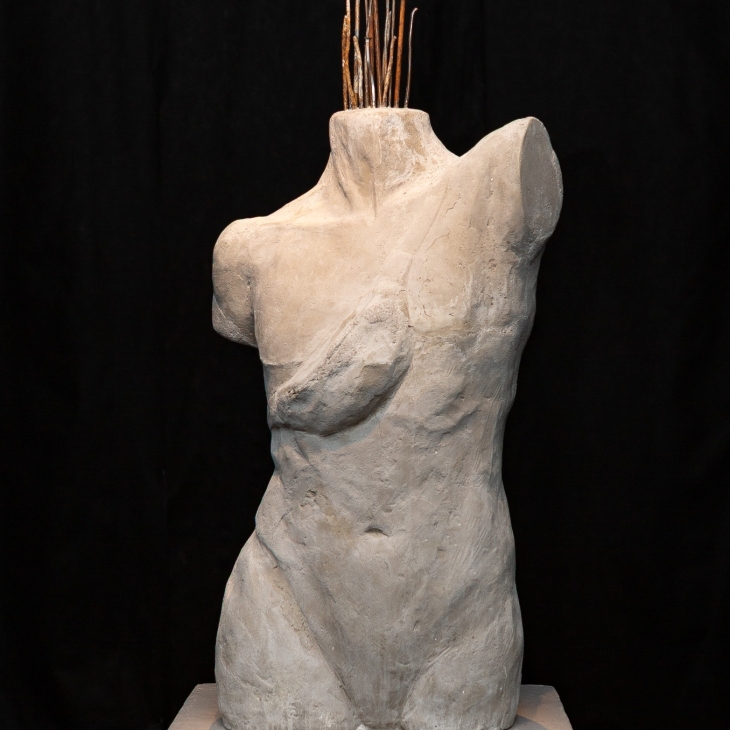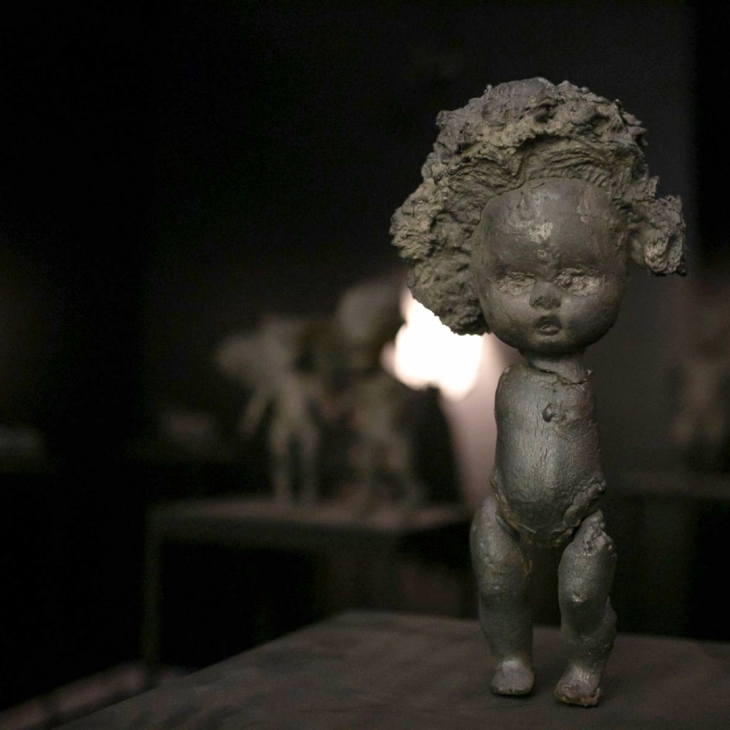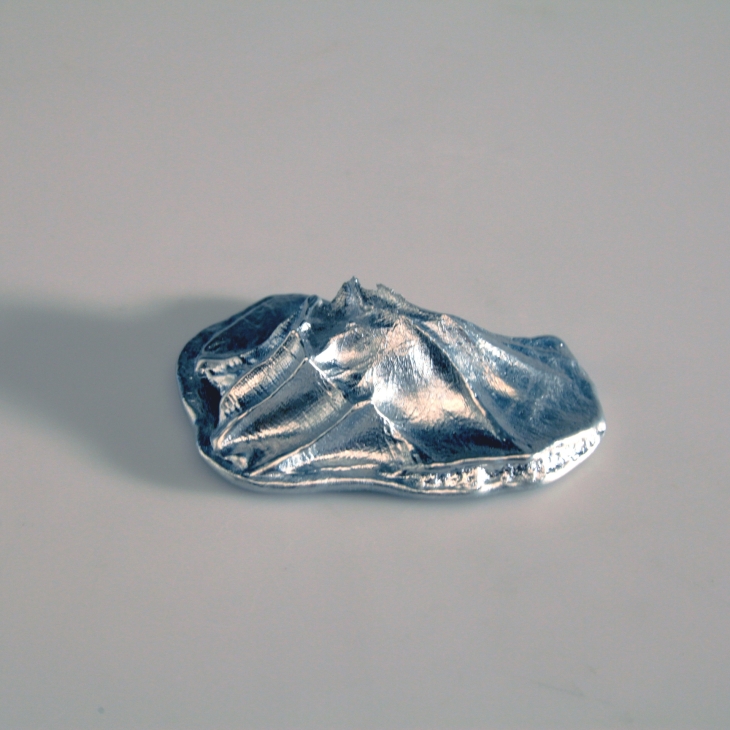
Additional photos


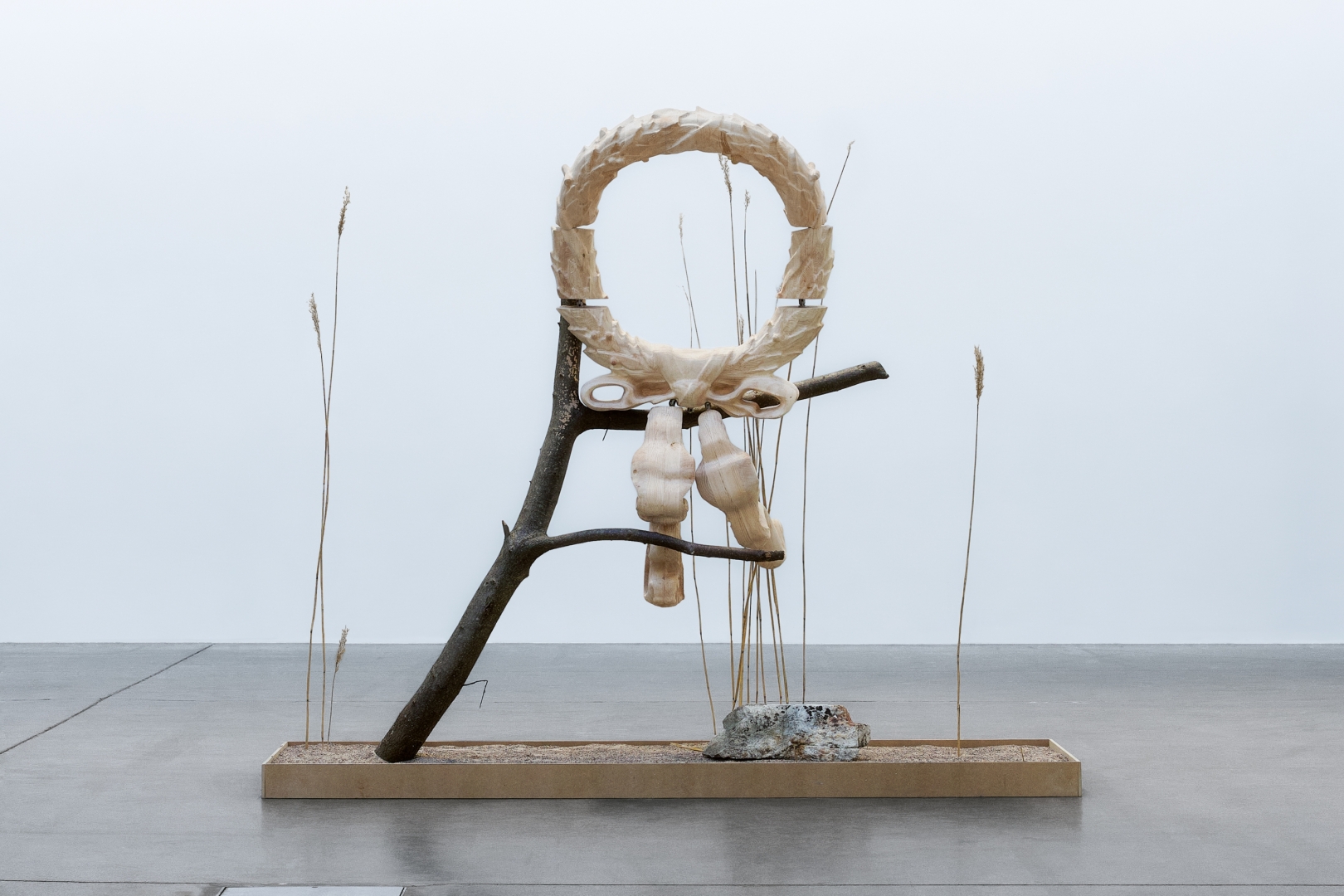
Hanging Limp, 2026
Alderwood, stainless steel, mdf
When C. Collodi published the Adventures of Pinocchio in 1883, it gained a massive following almost instantaneously; partially due to the fact that it reflected on the important issues accompanying migration of the young Italians to larger cities as a result of developing industrialization. Despite the popular belief it wasn’t Geppetto who found the enchanted log; but Master Antonio – a local carpenter who wanted to turn the piece of wood it into a table leg. When Geppetto approached him with his new business endeavour – to become a puppeteer and travel the country performing for children – master Antonio provided him with the mischievous log he was already fed up with; and which in a span of a neighbourly visit provided reasons for a short tempered Geppetto to start two consecutive fights. As the poor man worked on the little marionette, he grew impatient of Pinocchio’s nose and left in a disproportionate scale, moving to the other parts of puppet’s apparatus. As soon as the animated body gained a functional set of legs, it vanished to explore the world in its unfinished state. The prolonged nose – seemingly left out as a grabbing handle by his creator as he grew suspicious of his unruly character – became Pinocchio’s primary recognizable feature. Serving as a control measure for his surroundings and making him transparent in his speech and action.as he was instantly confronted with his decisions. Even with the help of the instantaneous morality meter, the original story concludes with Pinocchio being hanged from a tree by the Fox and the Cat – the characters that have previously led him astray from the path of good fortune. In this story Pinocchio succumb to the traps of the word – to greed and deceit; never overcoming his role of a miracle that was hastily carved with a hot hand – not thinking about consequences of using a miracle as a source material of his first creation instead of a regular log. Yet, there is a second ending. One where the marionette becomes a part of the living world, and instead of calling for Father with his last breath; observes his former body lifeless, sitting on a chair with its arms hanging limp.
You may also like these