Hind: €2800

(6) eset ostukorvis
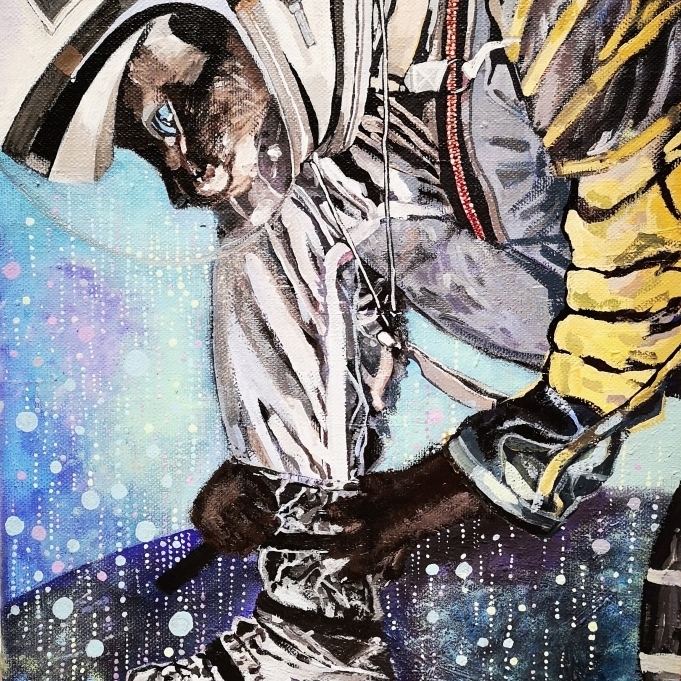
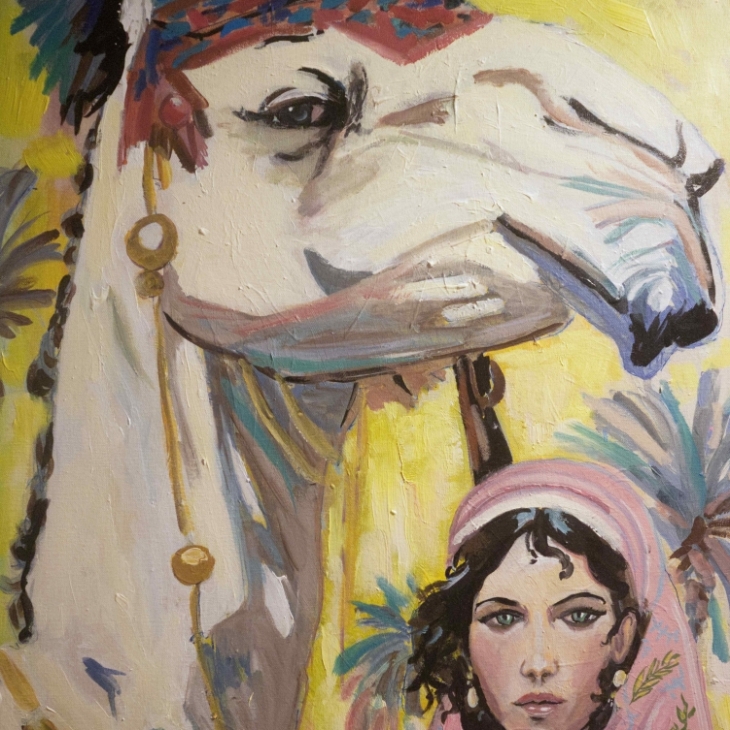
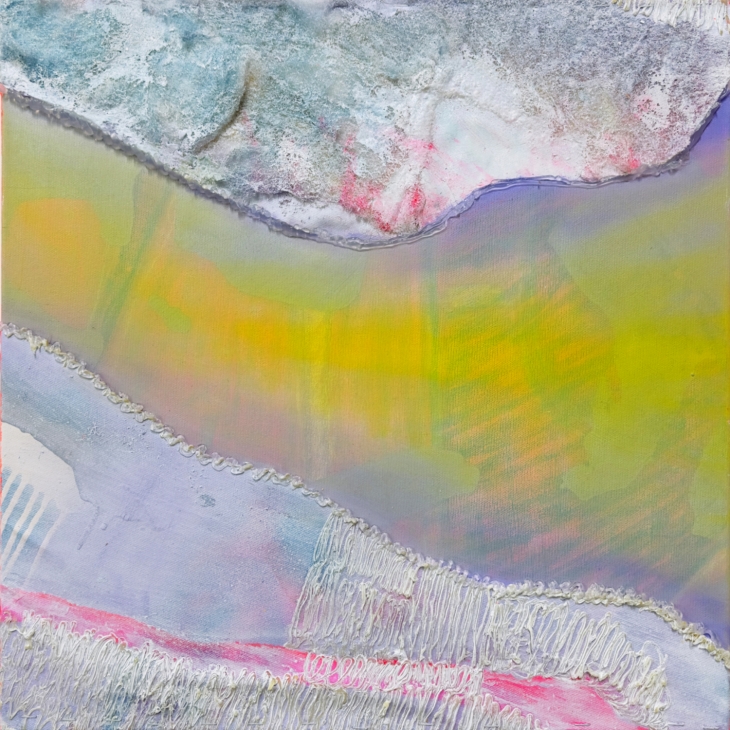
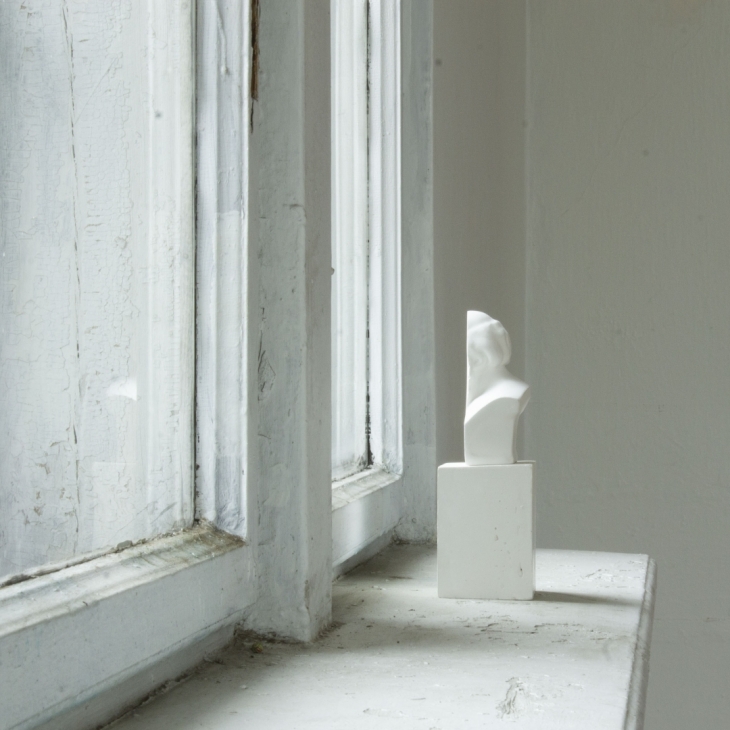
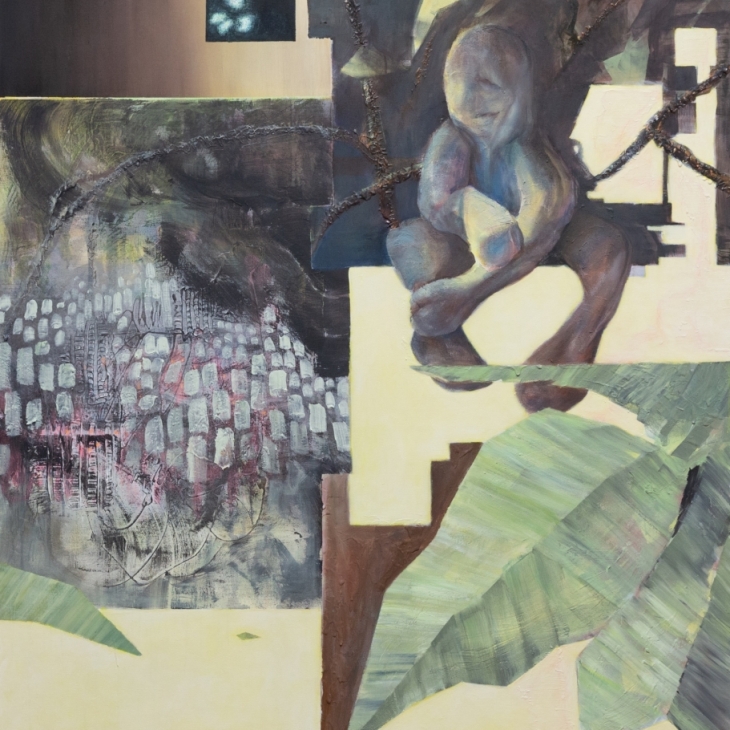
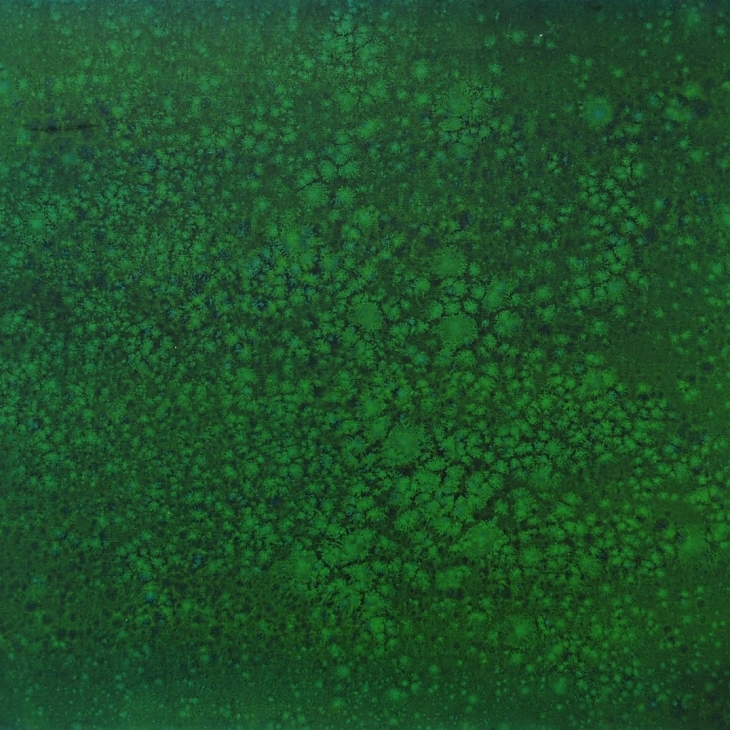
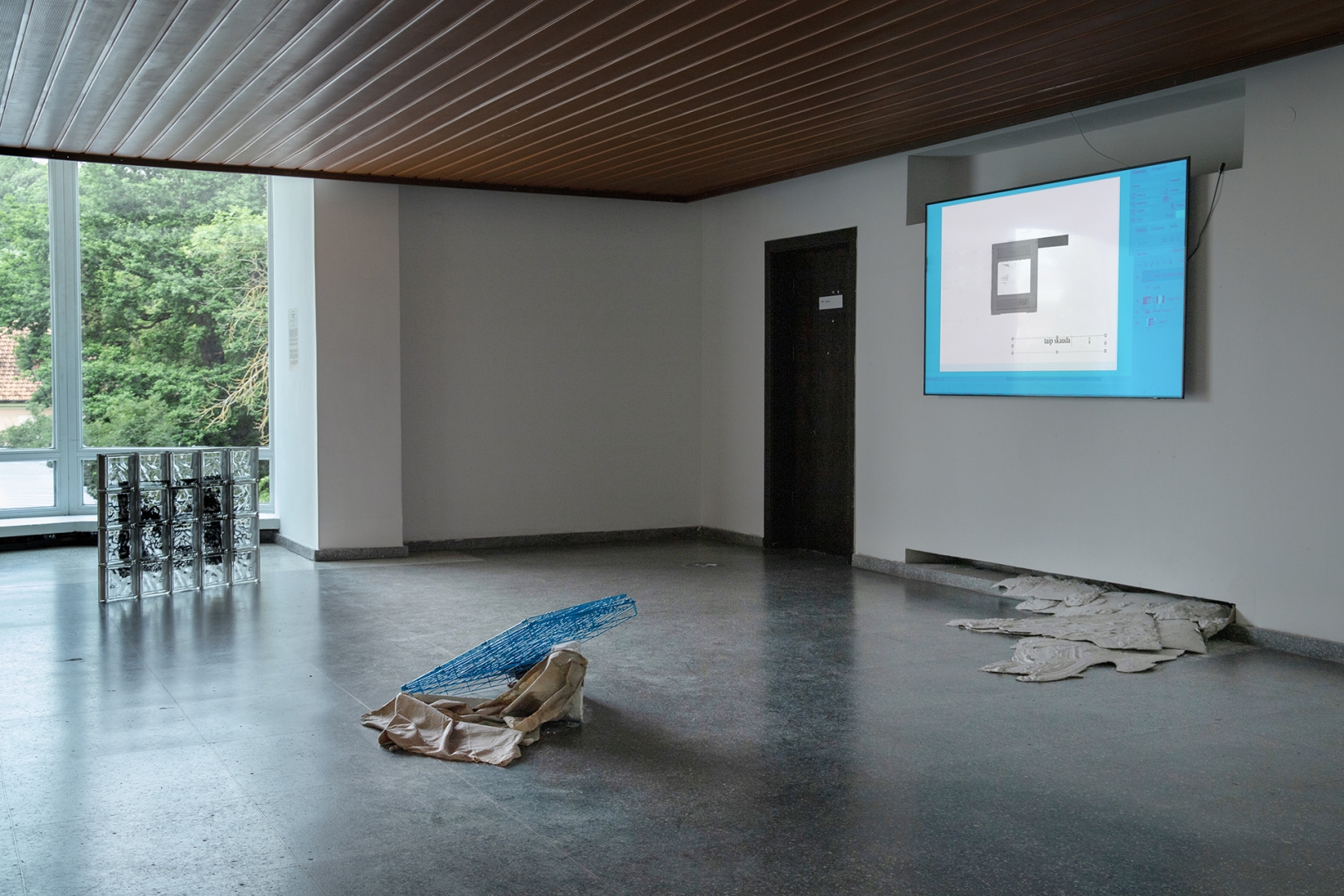


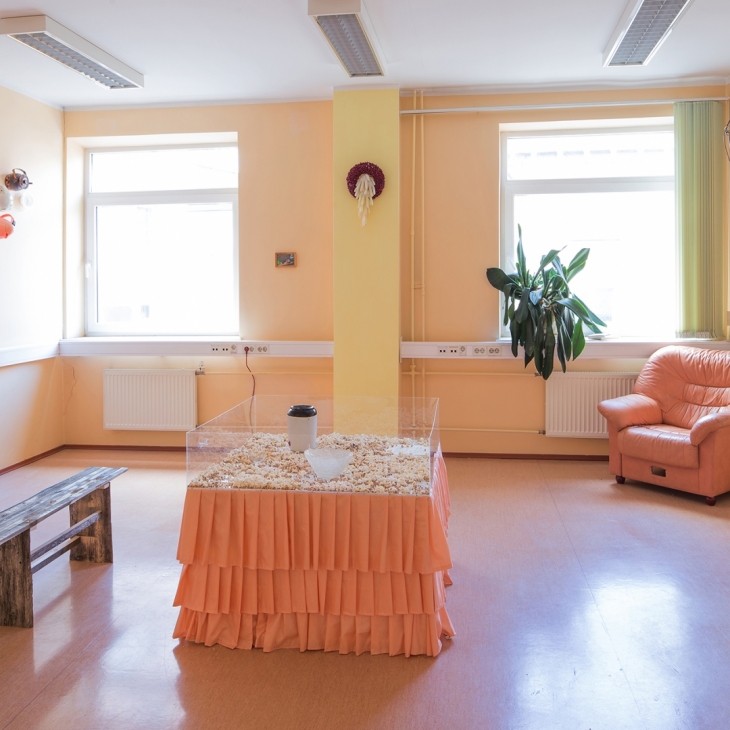
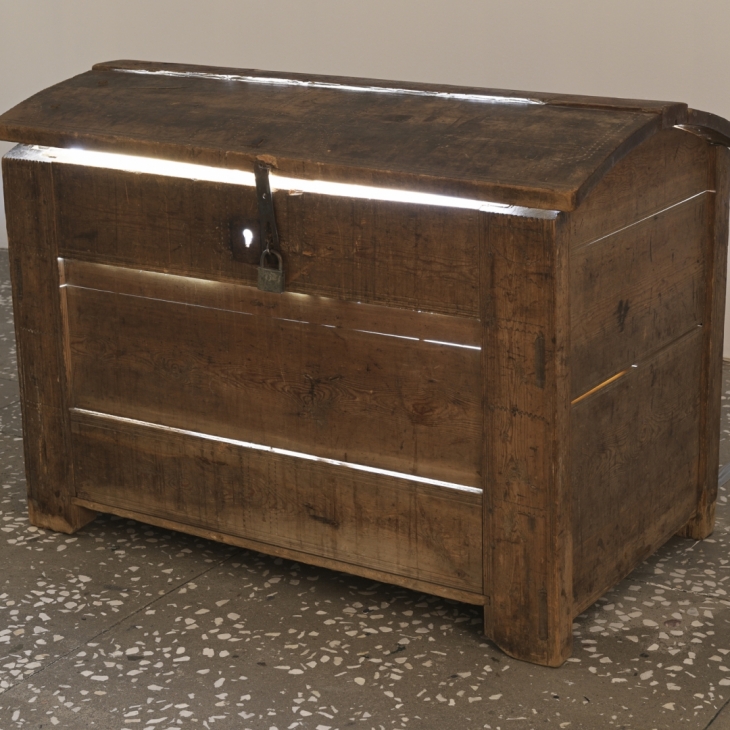
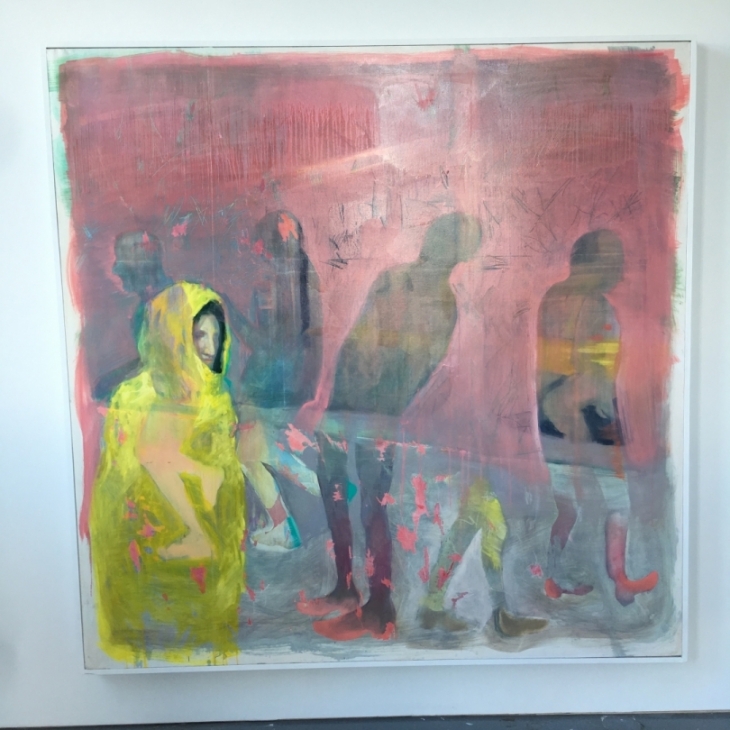
Video and sound artwork Re-type-type-type, film negatives, artist’s book, sculptural objects, latex forms.
Exhibition History and Recognition
The installation It Hurts So Much That It’s Shameful was exhibited at the VAA gallery 5 Malūnai from June 2 to August 25, 2025. The video work Re-type-type-type was also presented as a standalone piece in the BookVision 2025showcase in Ostrava, at the Gallery of the Faculty of Fine Arts and Music (GAFU), from May 22 to June 18, 2025, where it was awarded the Grand Prize in the “Other Media” category. The same video work is scheduled to be exhibited at Gallery Medium in Bratislava. The project has also been featured in the ELLIA Student Showcase.
Installation Description
“They said I was bound to become someone. He said I was the only thing keeping him alive on this earth. She said I must never cry, never scream, never complain. They said, they said, they said—and then they forgot it all.”
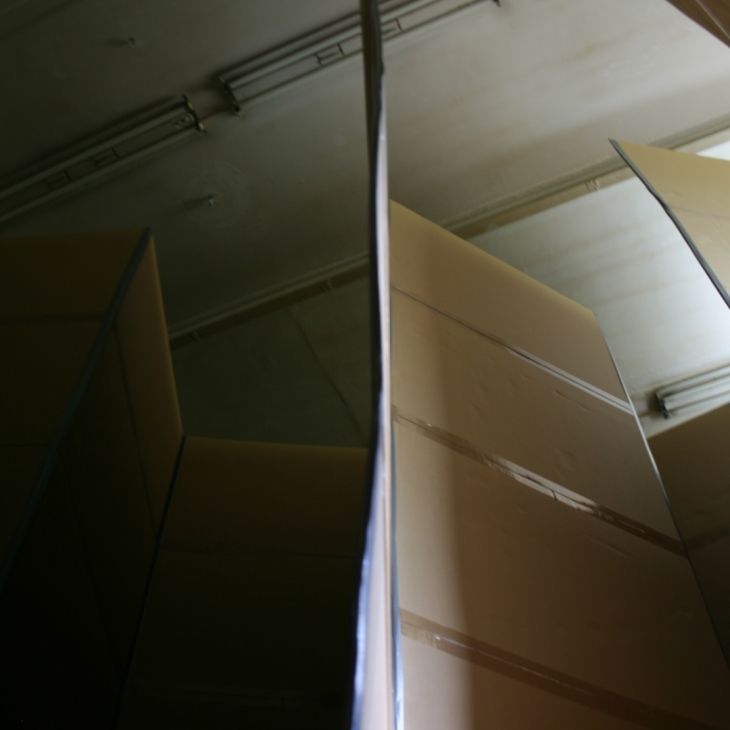
From this atmosphere emerges It Hurts So Much That It’s Shameful. The installation is not a story but a condition. It places the viewer in a space of suspended half-light—never fully bright, never fully dark—where air feels heavy and low ceilings press downward, reducing space and compressing breath. This in-betweenness is not a metaphor but the state of the work: unresolved, dense, and quietly pressing inward.
Components
As a Whole
This installation creates the condition of trauma rather than narrating it. Each element embodies a form of failure: the failure of the image to preserve truth, of language to relieve pain, of material to remain intact. By staging fragments of memory, discarded materials, and re-written text, the work resists spectacle and resolution. Instead, it offers a quiet confrontation—with what has been excluded from the frame, yet still persists in the shadows, pressing inward from below.
As critic Agnė Narušytė has noted, the work itself resists resolution: it begins again and again, breaking apart, refusing to settle, yet drawing the viewer into the very process of fragmentation. The fragile negatives testify to invisible wounds without revealing them, while the silkscreened portrait on “Lithuanian crystal” ripples like a black discharge—what seems to promise clarity instead illuminates residues of violence and shame. In this way, the installation expands beyond personal memory into the wider social dramas of families and communities, where private pain dissolves into the collective shadows of a society marked by silence and violence.