Lisafotod


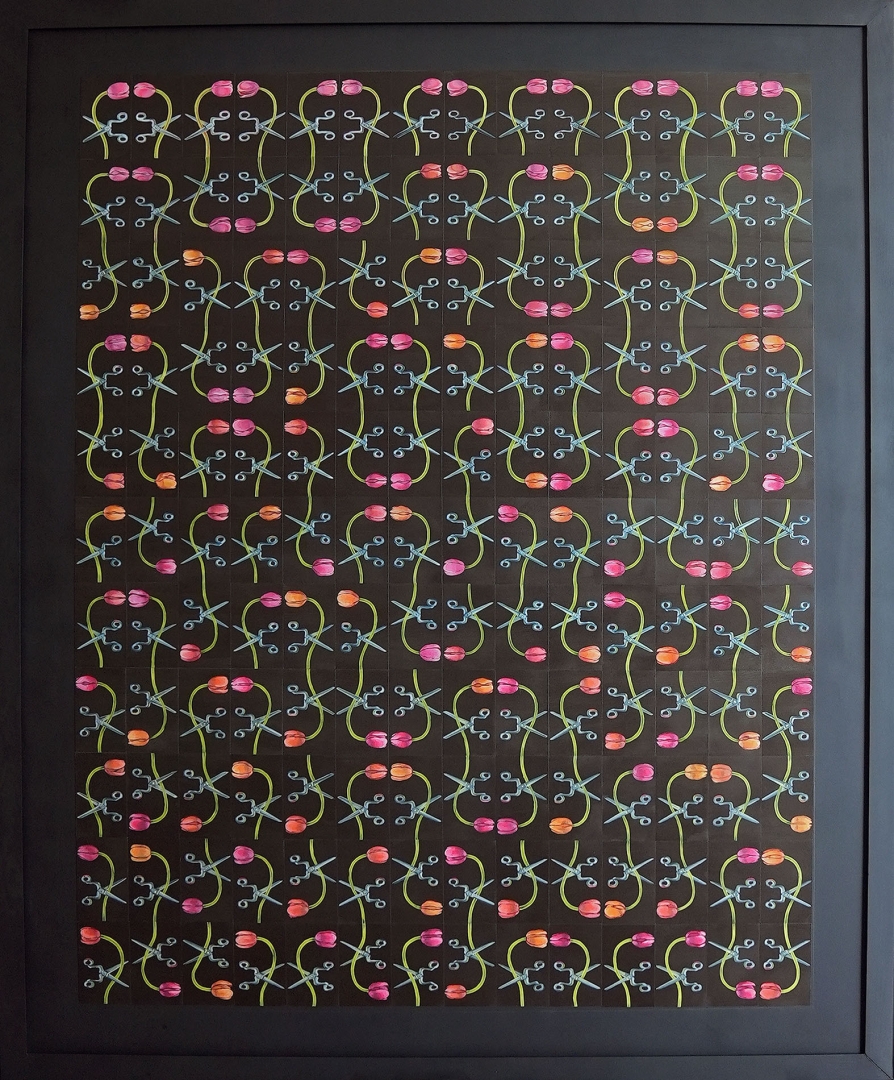
käärid, 2026
Õlimaal magnetitel
This graduation thesis explores the position of young artists within the contemporary Estonian art scene, focusing on the prejudices and unwritten rules that influence both creative and economic choices. The research is driven by a central question: must an artist choose between fine art and commercial art, or is it possible to combine these two practices without sacrificing one’s artistic identity?
To establish the theoretical background, I interviewed graduates from the painting department of the Pallas University of Applied Sciences and analyzed the collected material. I specifically chose Pallas painting graduates because, as a student in the same department myself, this inquiry stems from a vital, firsthand question: how do emerging artists with this exact education navigate the financial realities of their practice? The interviews demonstrated that sales pressure directly affects the creative decisions of emerging Estonian artists, helping to shape how they define what is considered “commercial” versus “real” art.
To materialize these concepts, the practical graduation project takes the form of a conceptual painting that contrasts tulips, which symbolize a young artist’s creative energy, with scissors, representing tough life choices and financial anxiety about the future. This imagery also tackles the stigma surrounding commercial art, illustrating how a deeply conceptual piece risks being dismissed as purely decorative simply because it features a “flower”.
The base of the painting consists of magnets that symbolize commercial art—a direct reference to the artist’s experience of walking a split path between the ideals of fine art and the reality of the art market. To emphasize this concept, the artwork is serialized and sold piece by piece, magnet by magnet. The price of each individual magnet is calculated using a square-centimeter-based formula derived from the pricing averages collected during the interviews. Furthermore, to highlight the reality of this “split path,” several magnets were sold before the thesis defense, demonstrating the unfortunate practical truth that purely creative work—like working solely on a thesis—is often not enough to keep food on the table.
Soovitame ka neid teoseid