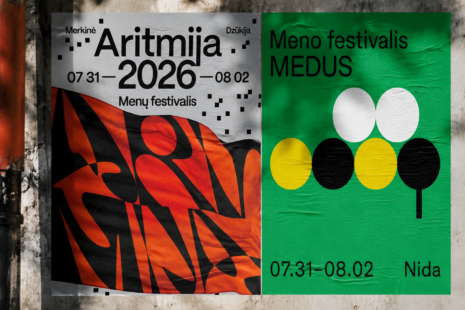
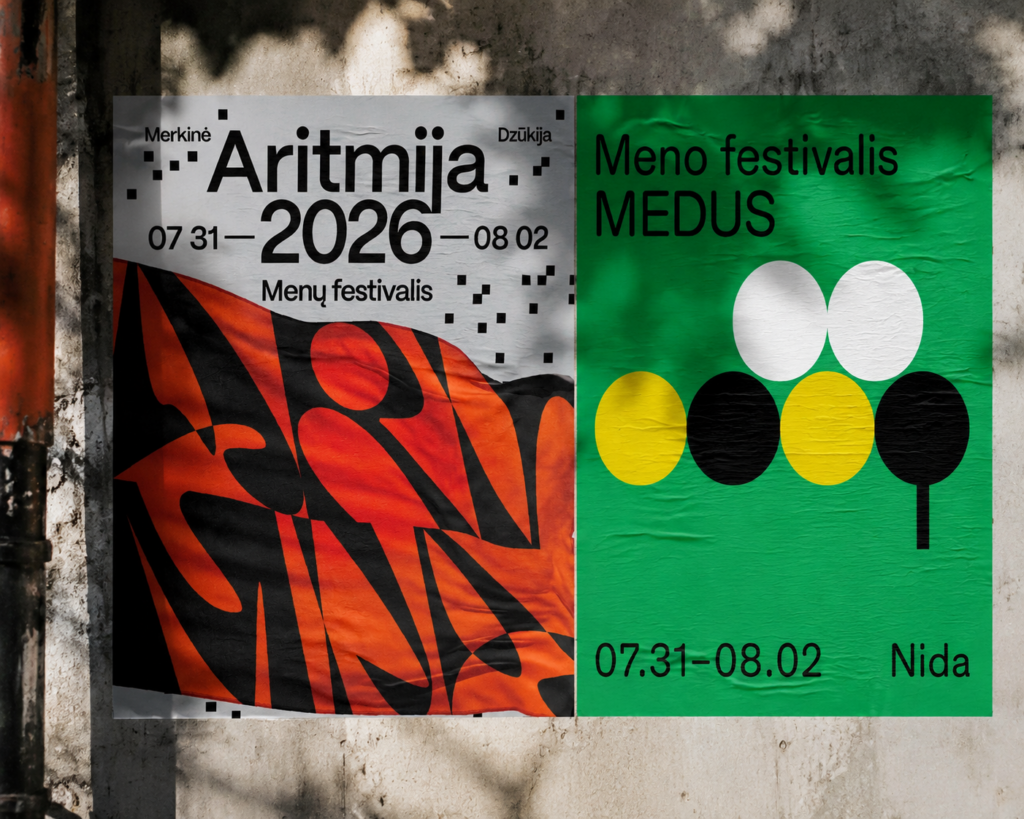
This sets them apart from many European art festivals, where international visibility and English-language communication have become almost self-evident. In both cases, most public information is available only in Lithuanian, making it more challenging for international visitors to navigate the programme and practical information.
Yet this does not necessarily have to be seen as a disadvantage. Festivals rooted in local communities offer visitors the opportunity to experience a place much as local residents do, rather than through an event specifically tailored for international audiences. With today’s translation tools significantly reducing language barriers, such festivals may even provide a more authentic cultural experience.
This does not mean that the festivals are not welcoming international visitors. Rather, their primary focus appears to be engaging local audiences, while their international dimension is created through artists, residencies and collaborative networks.