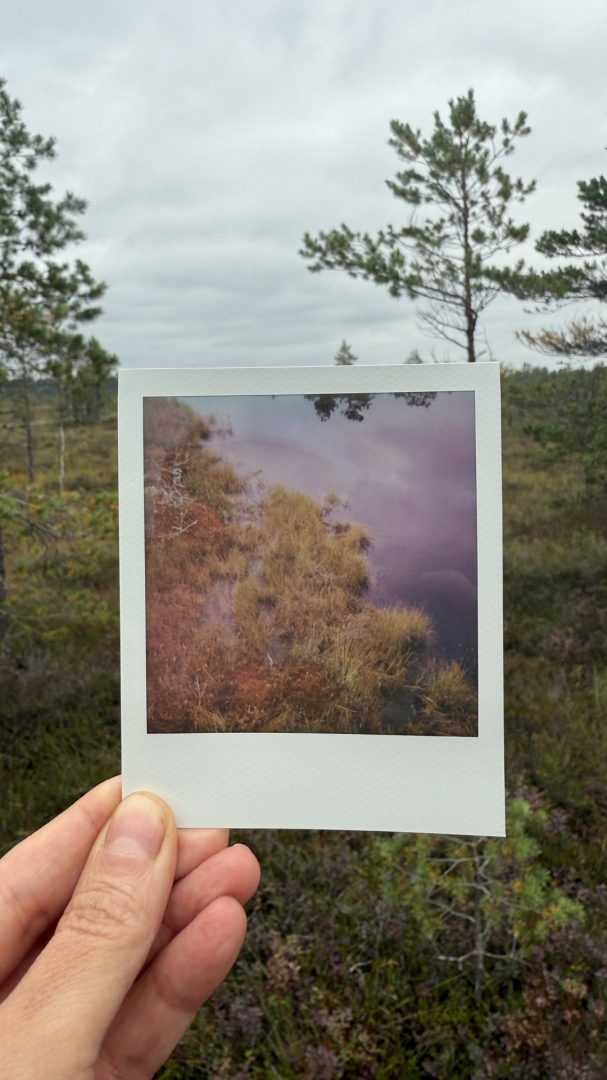
These hydrophilic plants take centre stage in the exhibition, which sensitively and profoundly delves into their macro- and microcosms — tracing their internal structures, their tactile qualities, and the formal beauty of these living organisms. Through a multimedia and multisensory body of work, Popov finds an artistic language that captures the force and fragility of life itself. Her practice offers a mode of mediation that draws us back to our origins, allowing us to experience what life is made of — and why it must be protected.
Combining scientific inquiry with artistic exploration, Mire examines the potential of interdisciplinary approaches to rethink the relationship between humans and nature. Its goal is to heighten awareness of ecological interdependencies and inspire new perspectives on coexistence.
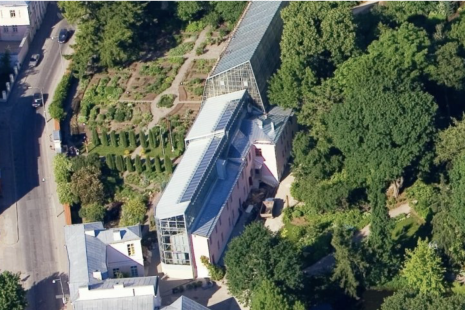
The exhibition can be visited daily during the regular opening hours of the Botanical Garden, from 10 am to 5 pm.
The programme concludes with a finissage on 21 November from 5 pm to 9 pm. The project will then continue with a follow-up exhibition at The University of Tartu Natural History Museum.
The exhibition is supported by the Goethe-Institut Tallinn.