
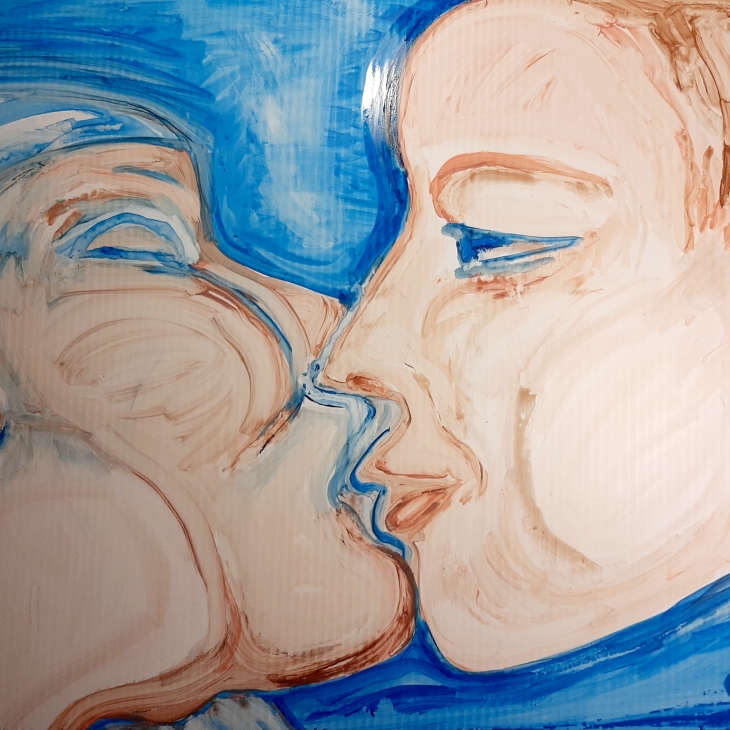
Price: €1380
On June 11 at 6 p.m., the "Meno Niša" Gallery will host the opening of photographer Gedvilė Tamošiūnaitė’s solo exhibition, "Screen Works", curated by Eglė Ambrasaitė. The exhibition features the artist’s new series of silkscreen prints. The prints, on both glass and paper, explore the relationship between today’s people and screens, the excess of images, and the fragmented digital everyday life. Tamošiūnaitė is the second artist in this year’s gallery project, "Meno Niša: Open Call".
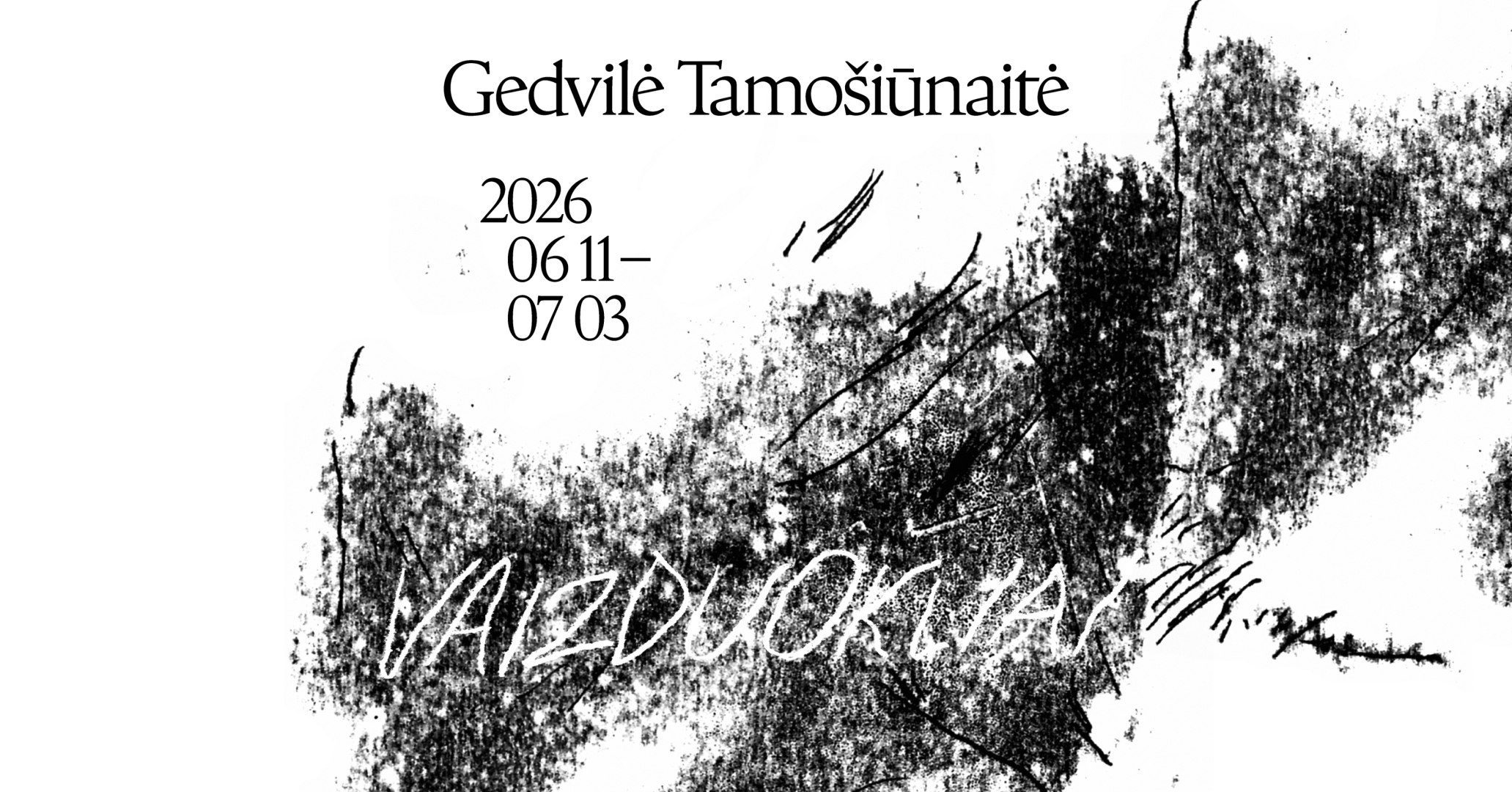
Gedvilė Tamošiūnaitė is a Lithuanian artist and photographer currently living and working in Berlin. She completed her studies in photography and media art at the Vilnius Academy of Arts in 2015 and earned a master’s degree in photography from the University of Art and Design Lausanne (ECAL) in Switzerland in 2020. Her creative practice encompasses photography, video art, and visual expression. Her work has been exhibited internationally, and she was selected for the FuturesTalent program in 2024.
The exhibition Screen Works explores our daily existence within a constant stream of images, ranging from live broadcasts and surveillance cameras to screenshots and low-resolution snippets of virtual everyday life. In the artist’s practice, these images are not captured as documents but rather transformed into another state: one that is slow, material, and demands a physical gaze and time.
G. Tamošiūnaitė creates her works using the silkscreen technique to print images onto glass and paper. In this process, the digital, ephemeral image gains weight and layers, becoming dependent on light and the movement of the viewer. Thus, the screen flow transforms into a series of objects in which the image becomes time frozen in place, no longer a fleeting event.
“Screen images are temporary, low-quality, and derived from constantly changing video material. Through the silkscreen process, however, they become material, enriched with layers of ink, glass, and manual labor. Essentially weightless and random information takes on a physical form,” says the artist.
A key theme of the exhibition is the tension between the ephemeral nature of digital images and the slow, analog creative process. The artist emphasizes that this contrast also defines her position in photography. “As a photographer, I am weary of images and the economy of attention. My work is a resistance to that speed. I want to slow down the gaze and soften the stimulation.”
Exhibition curator Eglė Ambrasaitė connects this idea to the concept of a dark mirror, which reflects historical and contemporary connections between obsidian and screens. In ancient Mesoamerican cultures, polished obsidian was considered a ritual object and a portal between worlds. Today, screens have taken over this function, serving as contemporary reflective surfaces.
“In my opinion, this exhibition accurately reflects the current state of post-media, offering clear commentary on today’s world. It is neither cheerful nor gloomy, but rather Gedvilė’s realistic relationship with her surroundings. All of the artist’s work is compelling, from the way she perceives light and composition to how naturally she conceptualizes her pieces. Her works are exceptionally contemporary – rich, profound, playful, and exploratory of the concepts of visuality and image,” says E. Ambrasaitė.
The exhibition Screen Works will run until July 3.
Graphic design by Monika Janulevičiūtė.
We would like to thank Cinevera – one of the largest film equipment rental companies in the Baltic States.
The project is financed by the Lithuanian Council for Culture. The project is partially financed by the Vilnius City Municipality.
Galerii nimi: Meno Niša
Address: Jono Basanavičiaus gatvė 1, Vilnius, Lithuania
Opening hours: Tue-Fri 12:00 - 18:00 Sat 12:00 - 16:00
Open: 11.06.2026 — 03.07.2026
Types of art: Printmaking, Photography
Address: Jono Basanavičiaus gatvė 1, Vilnius, Lithuania
Opening hours: Tue-Fri 12:00 - 18:00 Sat 12:00 - 16:00
Open: 11.06.2026 — 03.07.2026


