Neuroscientist Mary-Frances O’Connor, in her book “The Grieving Brain”, approaches grief as a process that does not have a linear beginning and end, as we may have encountered in a western entertainment culture, but rather a way of transformation in which the human brain adapts to the loss of a loved one. In her theory, healing does not mean breaking emotional bonds. Instead, the bond with the deceased continues through memories, rituals, places, and the fragments they have left behind in us.
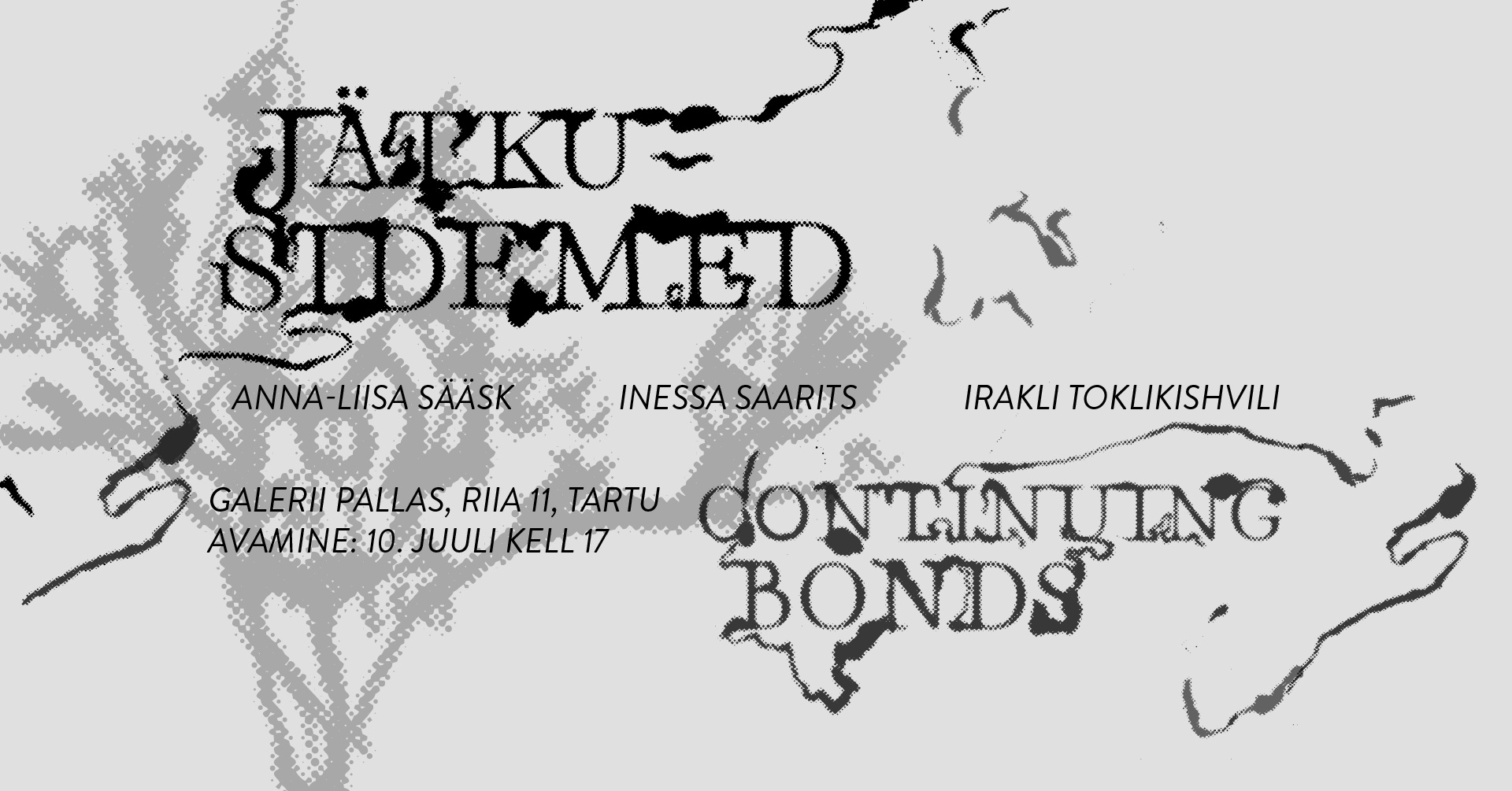
Inessa Saarits (2000) works with natural and ephemeral materials, exploring the cycle of life and impermanence through art. In this exhibition, she focuses on the objects left behind by her late mother – found objects gathered over a lifetime and collected antique chairs. Once when alive, all these objects carried stories told by her mother. Now, when the storyteller is gone, these objects have become silent witnesses to a human life.
Anna-Liisa Sääsk (2000) has so far relied on careful and tender observation on the world around her. Once first visited Georgia, she had sharp eyes on cultural details and differences. Back then Estonia was clearly home and Georgia a foreign land. Now when lived in there for some years, the feeling of “other” starts to go away and has replaced with a confusion of belonging – Estonia and Georgia both feel homelands but not wholly. In this exhibition she turns her observative eyes inward trying to open the tangle of longing and belonging.
Irakli Toklikishvili (1989) is a Georgian artist whose work has mostly focused on political and social themes. Since living in a country, where democracy, freedom of expression and European values cannot be taken for granted, these themes are naturally in his mind. He thinks of grief as a collective experience experienced by society together.
The three artists are united by their inspiration from nature—the most immediate reminder of the inevitability of birth, death, decay, and renewal. Continuing Bonds offers an opportunity to slow down and reflect. The presented mediums are sculpture, painting, installation and graphics.
Public tour: Saturday, July 11th 12pm.


