Price: €500

(4) items in your cart
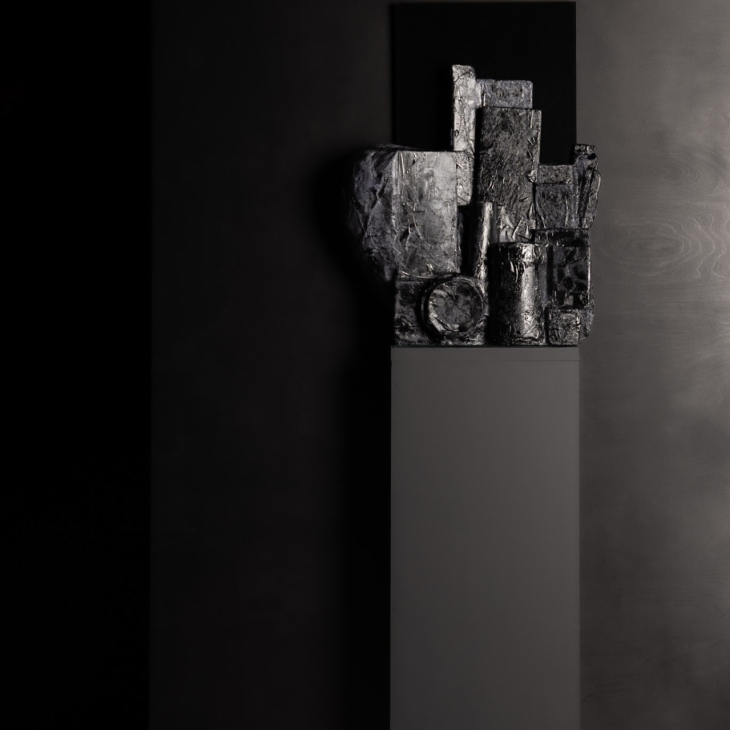

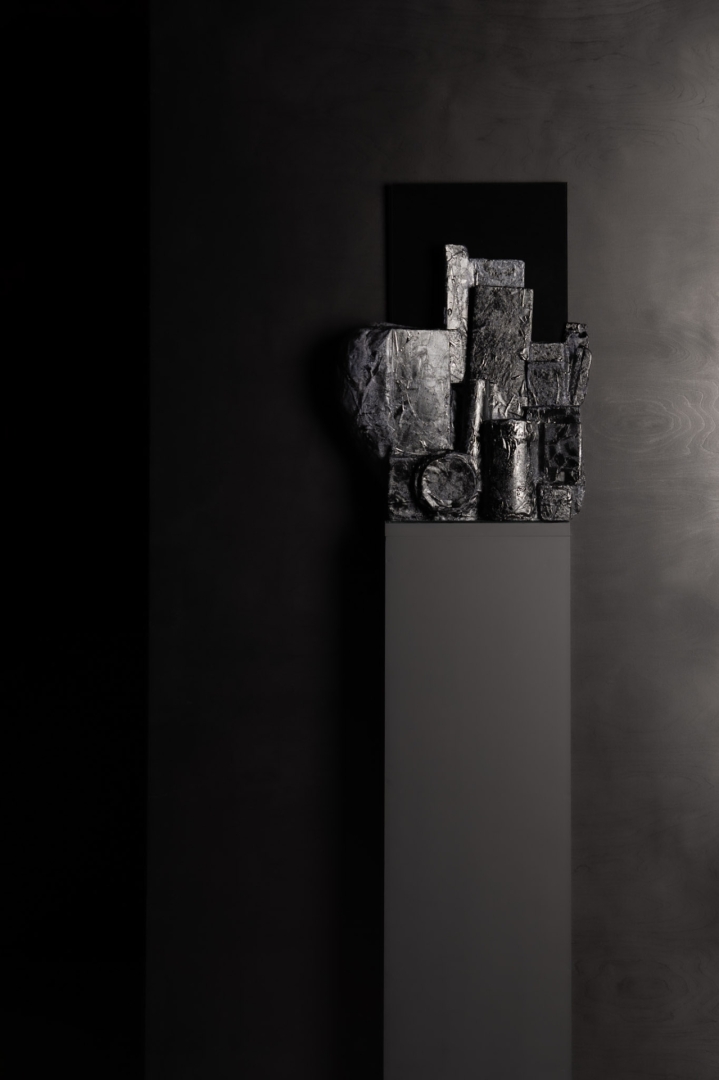
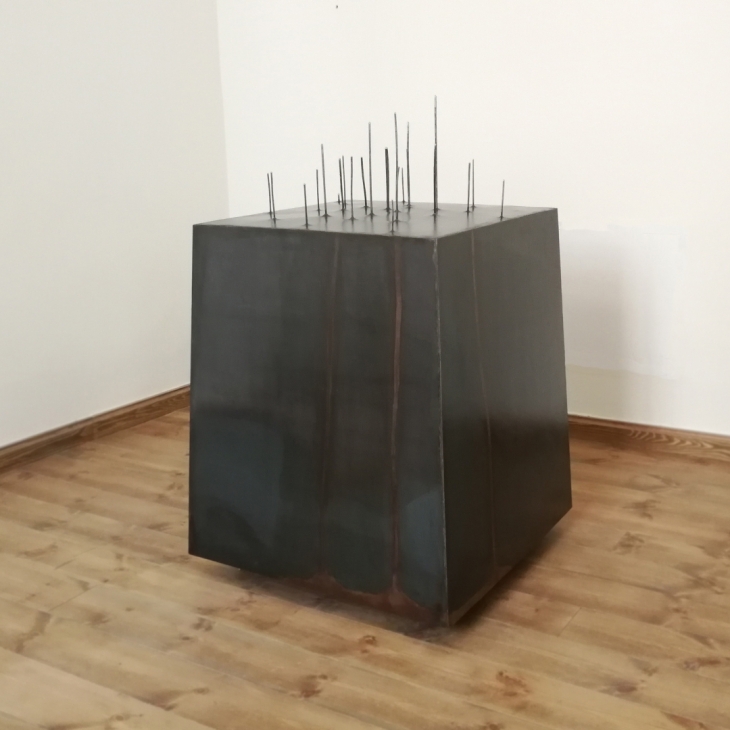
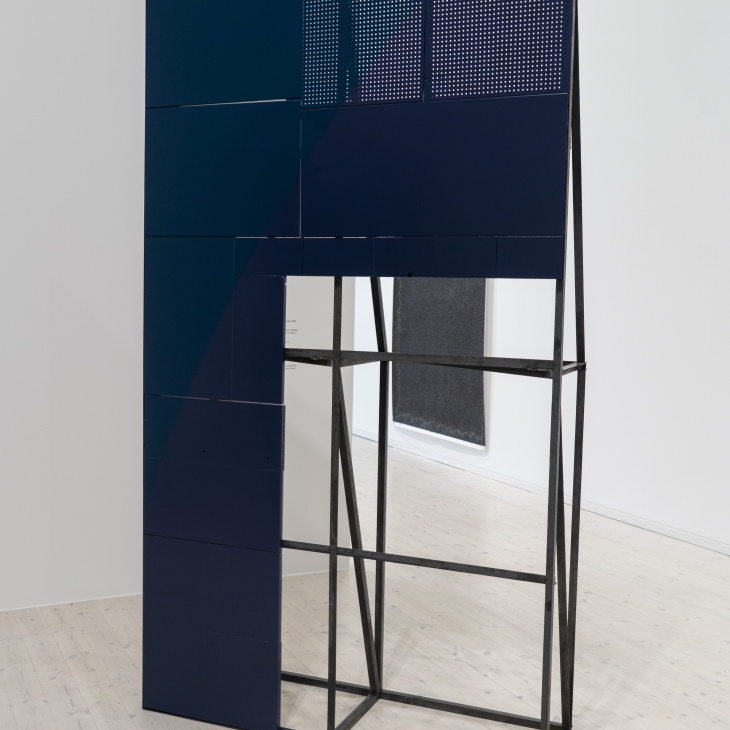
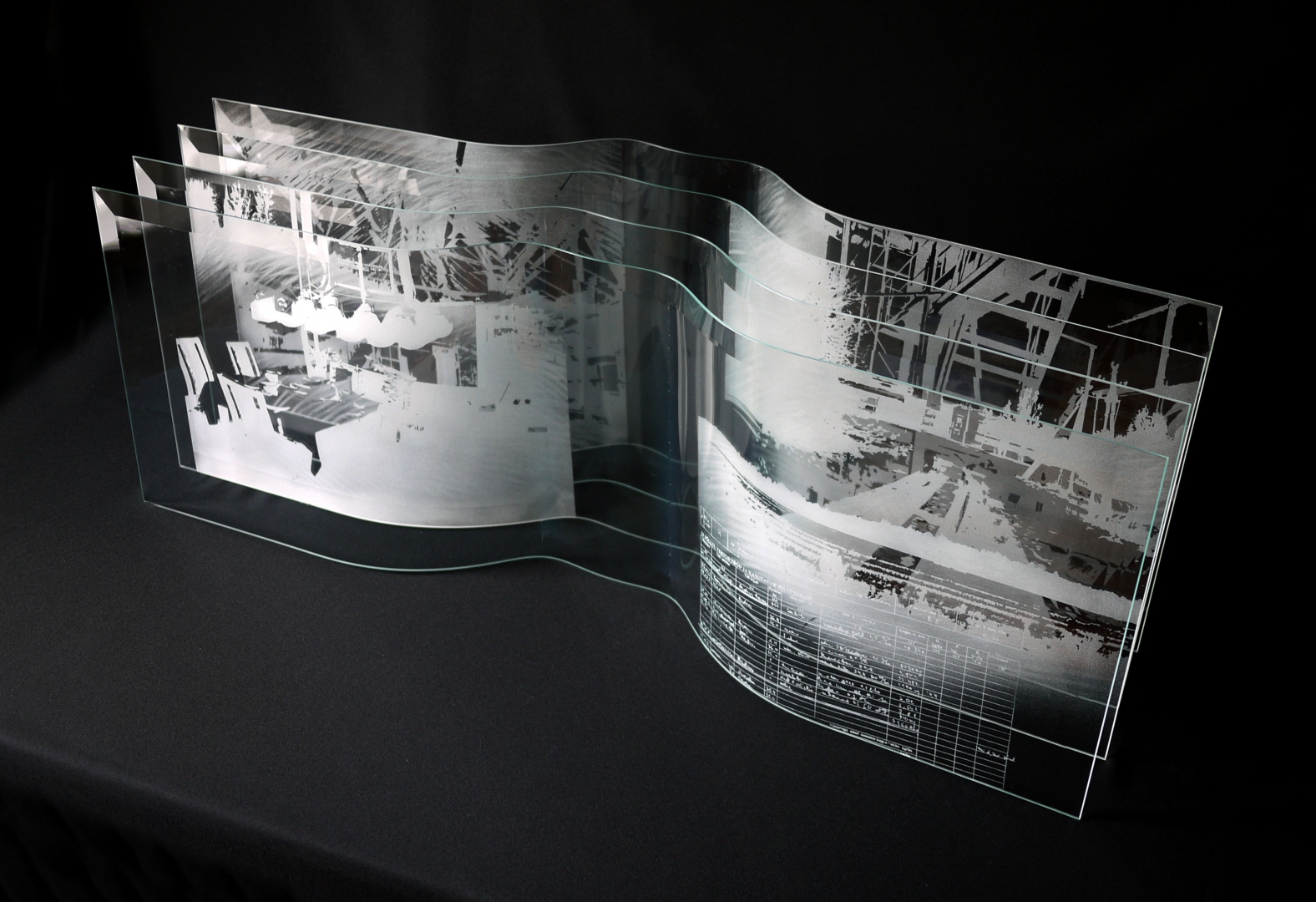
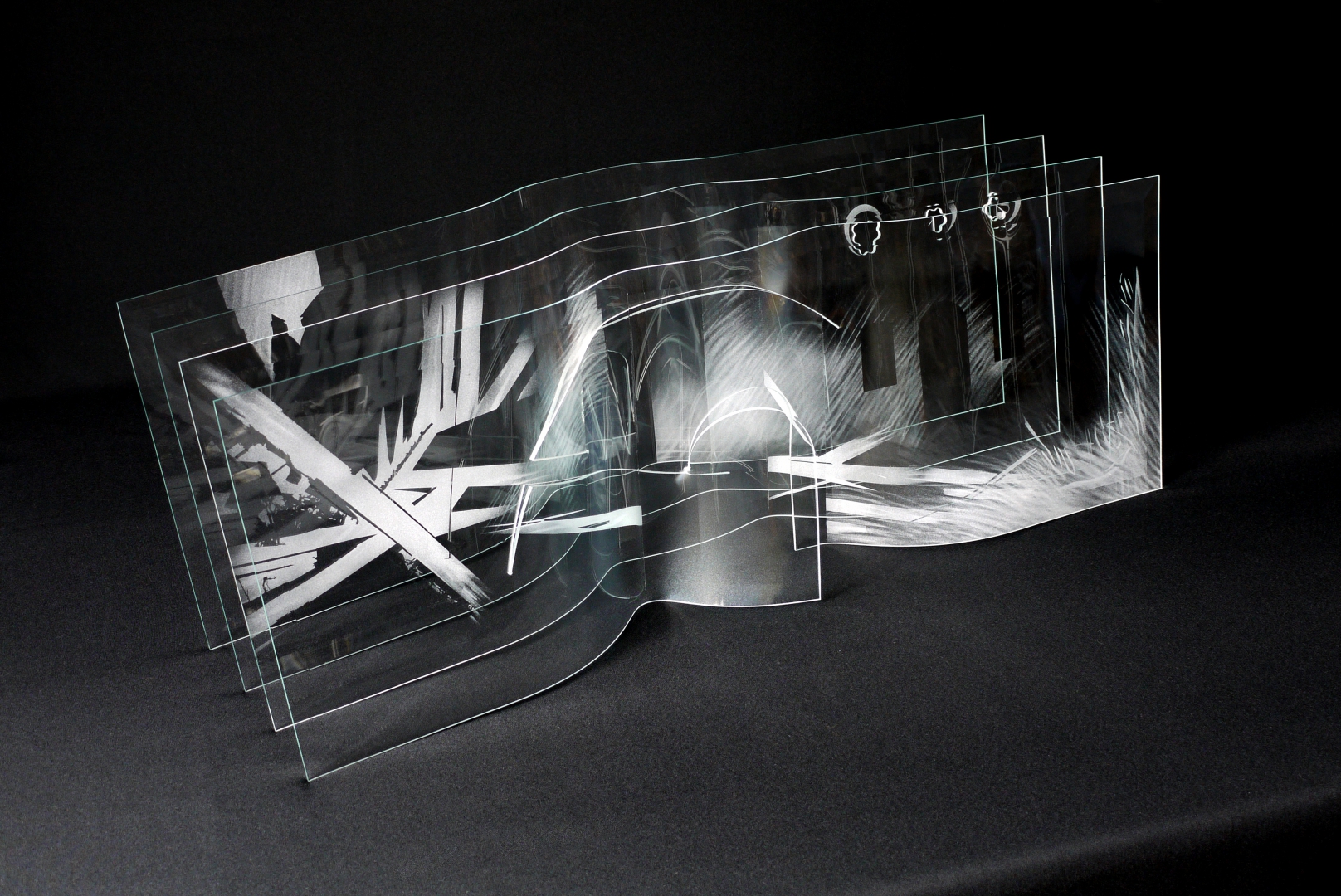
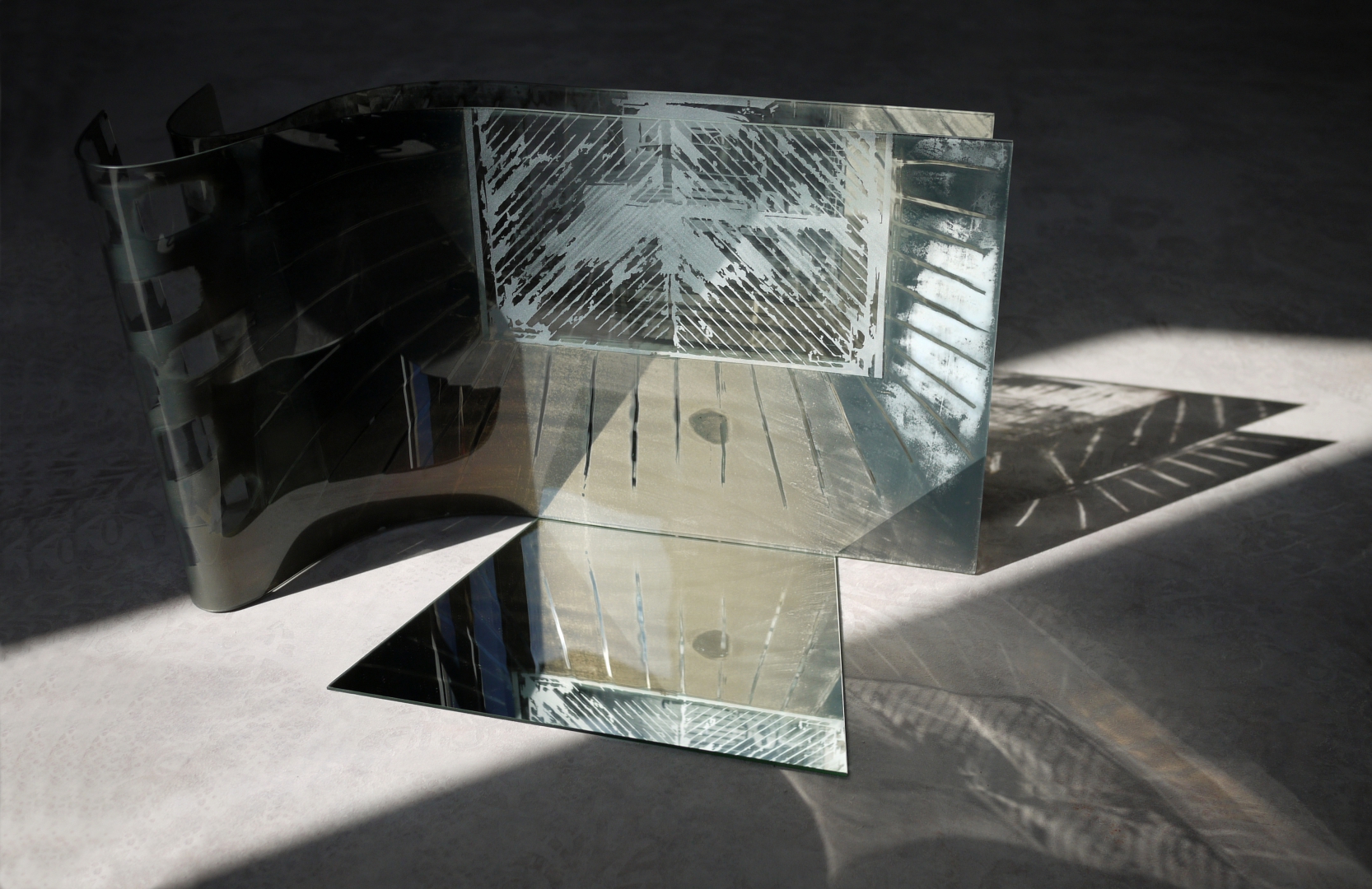
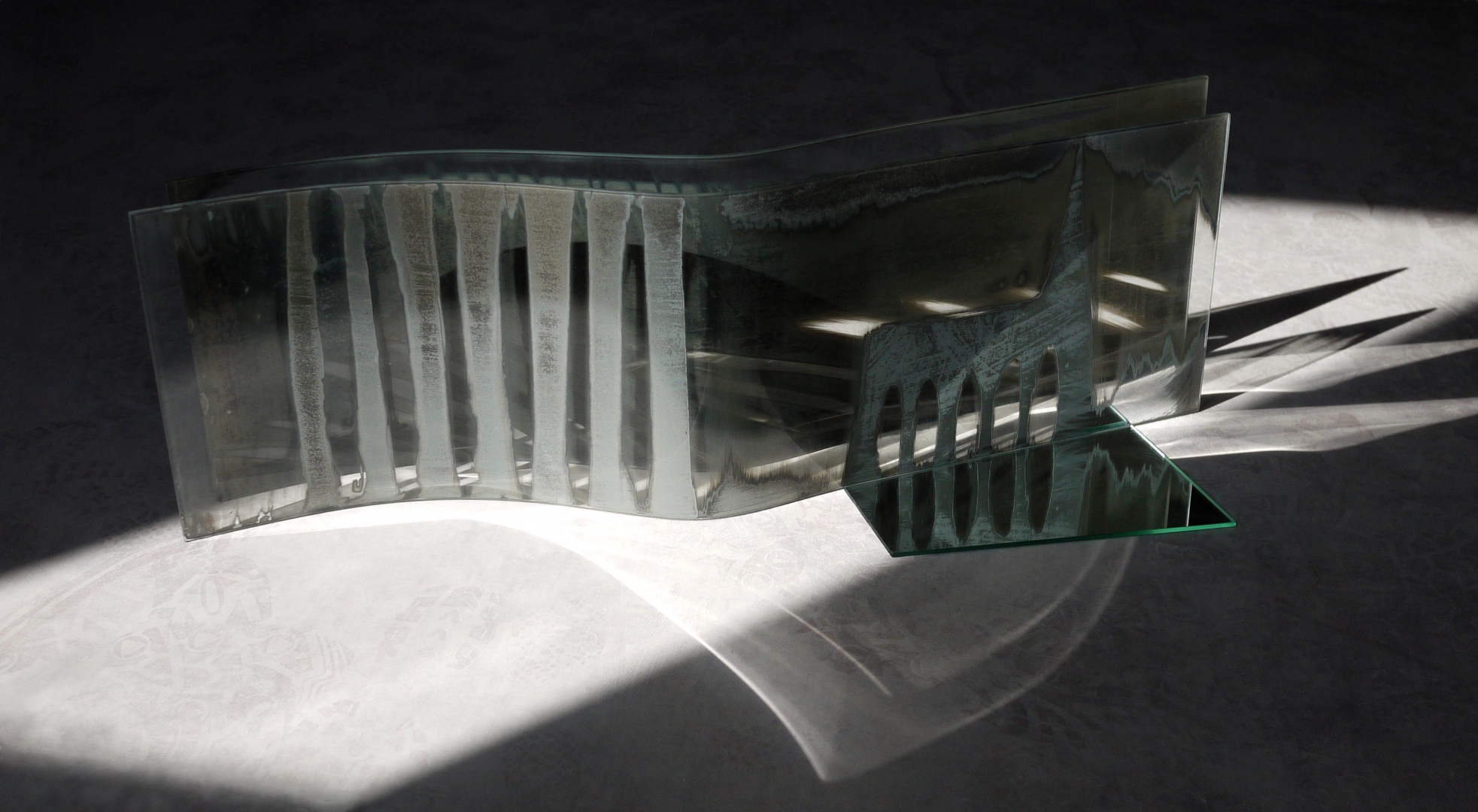
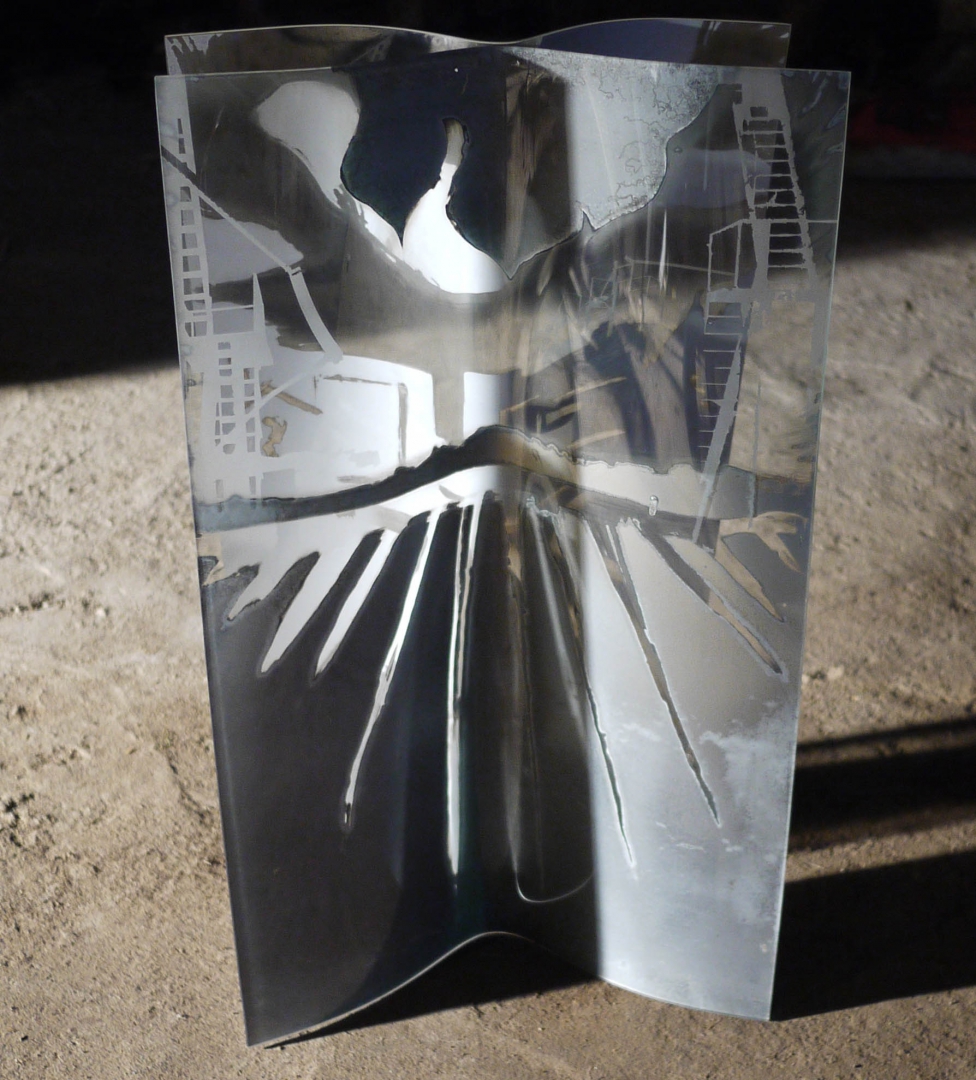
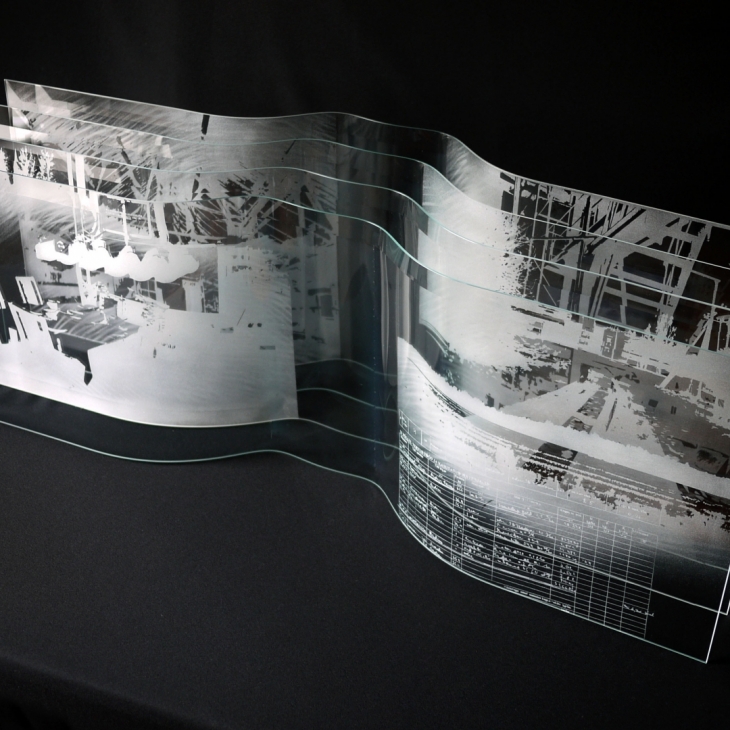
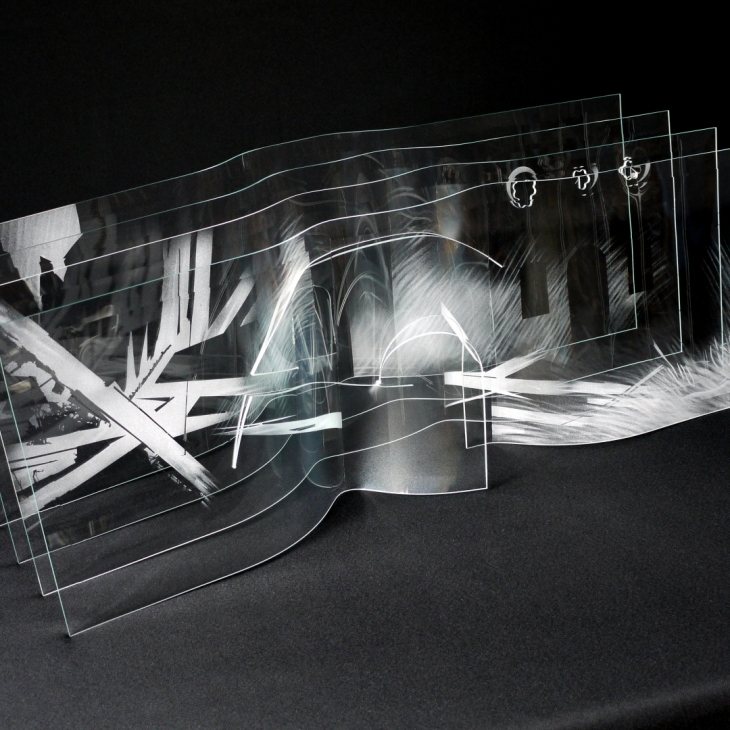
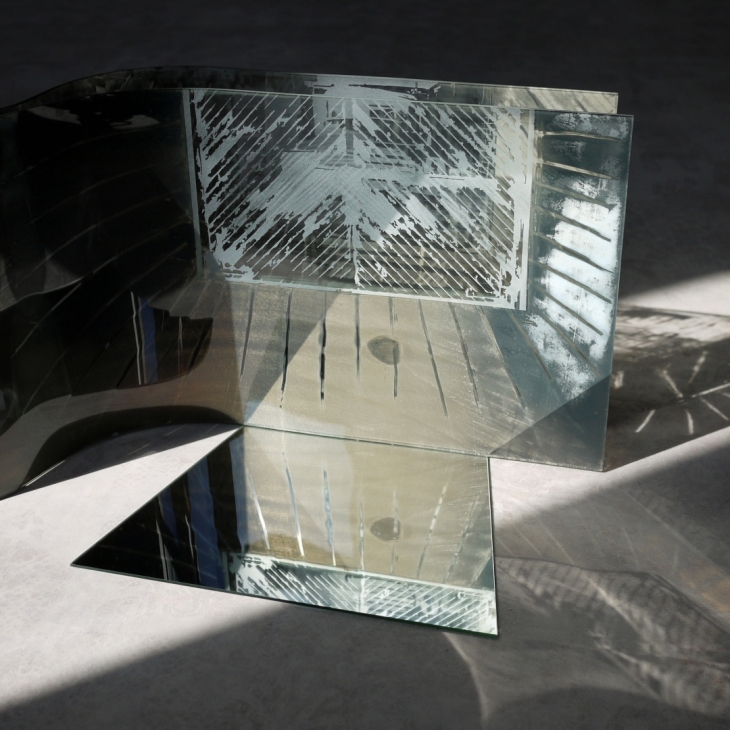
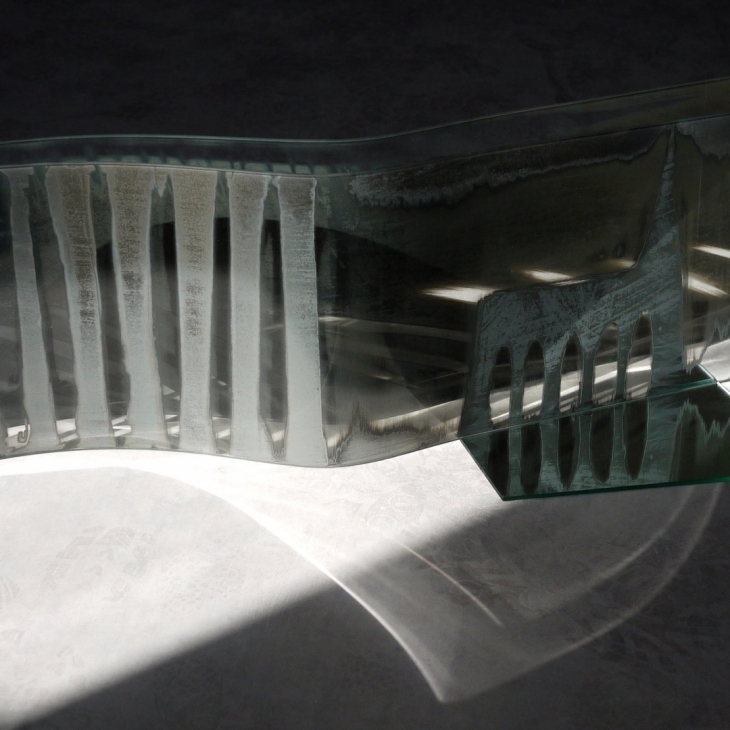
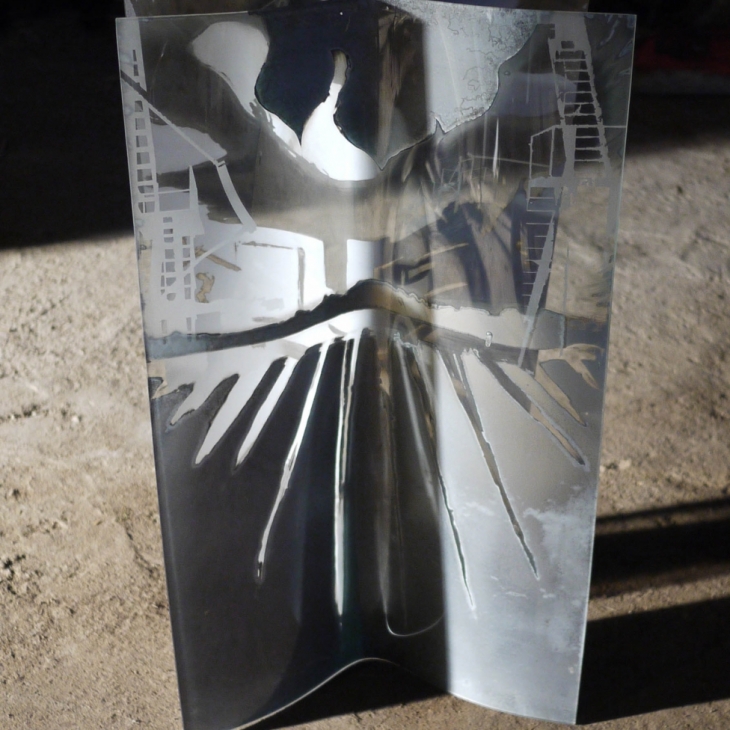
Glass sculpture. Materials: upcycled bottleglass, painted plywood; coldworking, fusing
Tiina Sarapu’s glass object Black Rhapsody relates—through its title, concept, and execution—to a free-form musical composition that is inherently multilayered and improvisational, whether rooted in folk melody or jazz harmonies. The experimental method of the work’s creation functions in a similarly layered way, as does its field of meaning. The initial impulse derives from the artist’s observations of the environment of her childhood home, yet this has evolved into a more abstract and universal principle of accumulation. Within the work shaped through accumulation, materials and memories are stored like notes in a musical score—layered atop one another, alternately concealing and revealing. Forms absorb into themselves, merge into a whole, and become a new ground—dense with the past and open to new interpretations.
Sarapu’s object could be described as an open form: one may perceive quite different images within it—ranging from a still life composed of old objects or a cubist object to musical instruments or a piece of futuristic apparatus. Like a musical rhapsody, it resists fixed boundaries and moves freely between emotional registers, holding both dissonance and harmony within itself. And, like a musical work, Black Rhapsody requires a considerable amount of time to experience its various facets and details from different viewpoints; it cannot be grasped at a single glance. The work was created using a kiln-casting technique, reusing crushed bottle glass: the UV-resistant dark purple glass appears solidly black, reflecting the somber moods of the present time as perceived by the artist. Yet its unpolished surface begins to shimmer in the light, introducing brighter and more captivating notes and revealing the many different qualities of black glass.
Text: Elnara Taidre, Tiina Sarapu