Price: €1800
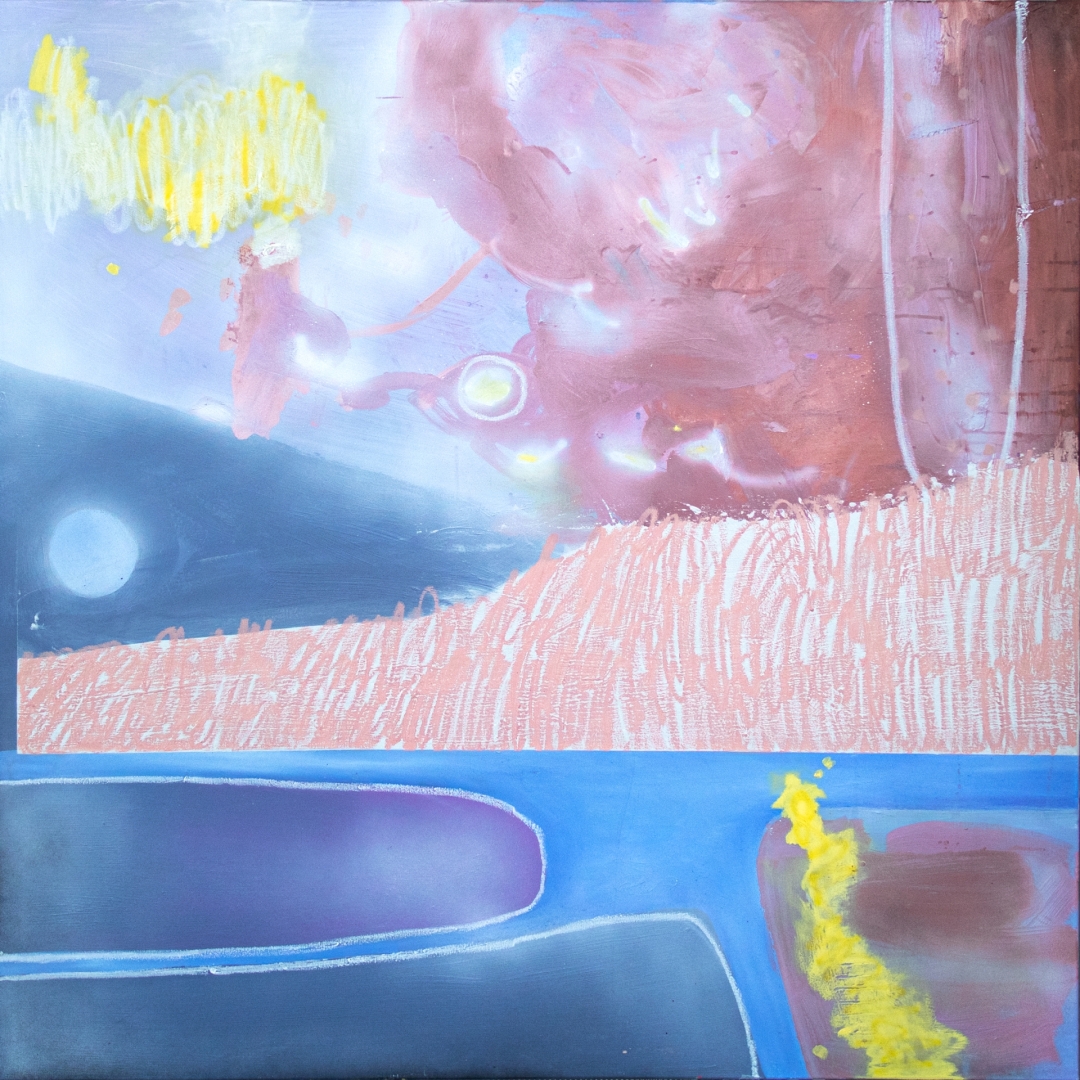
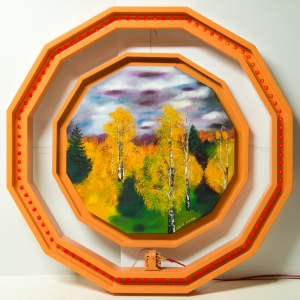
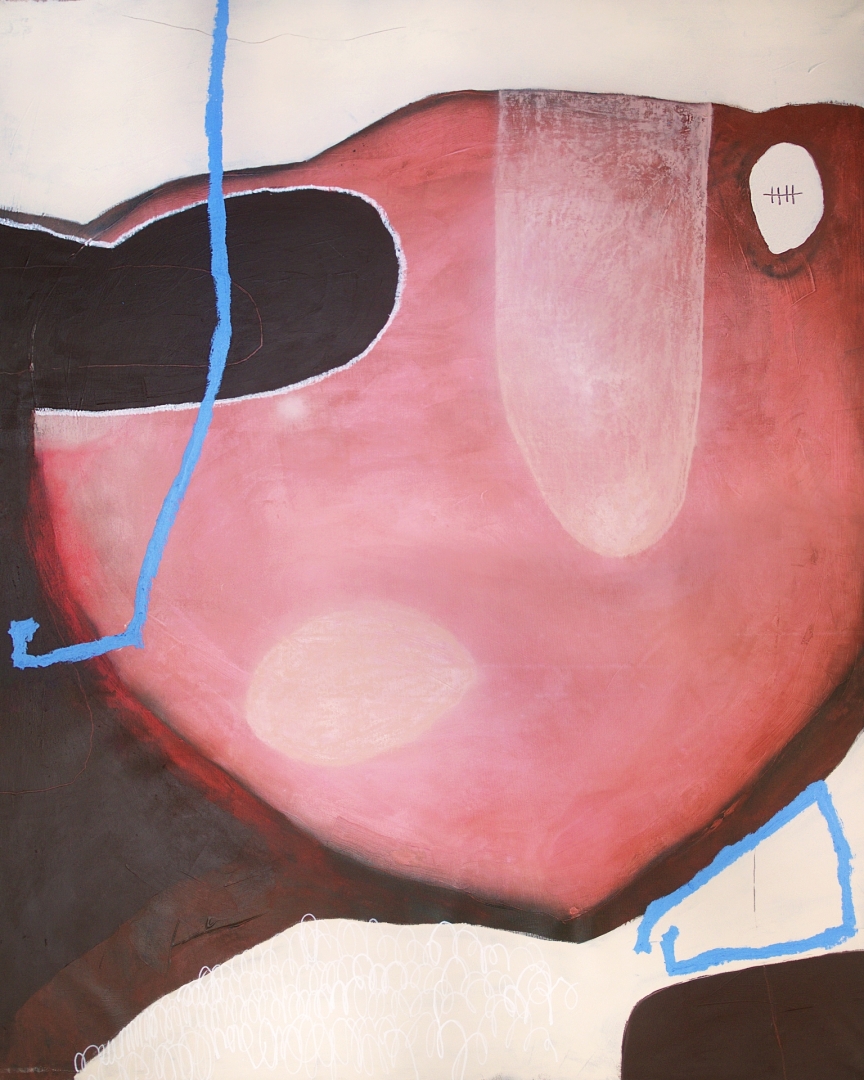
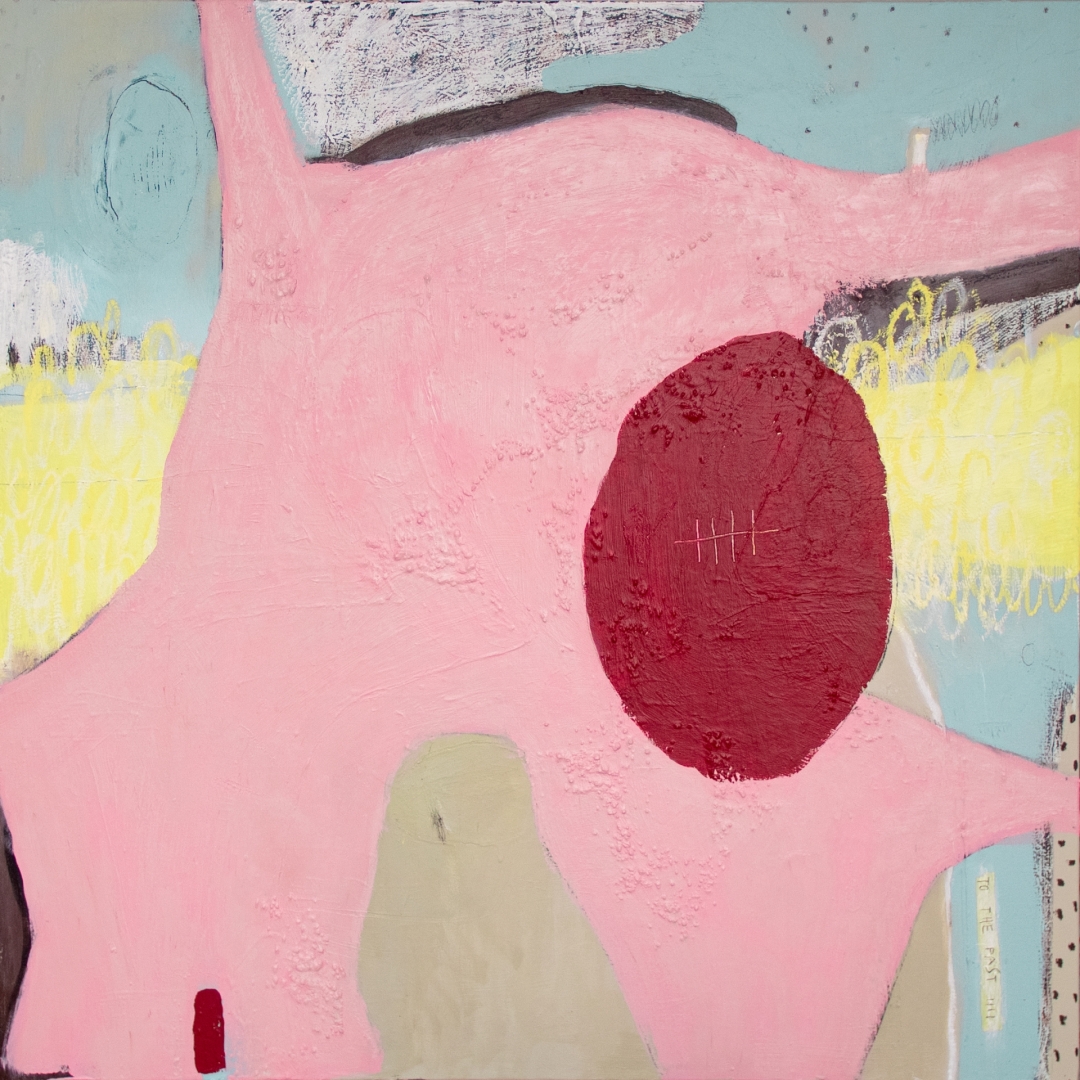
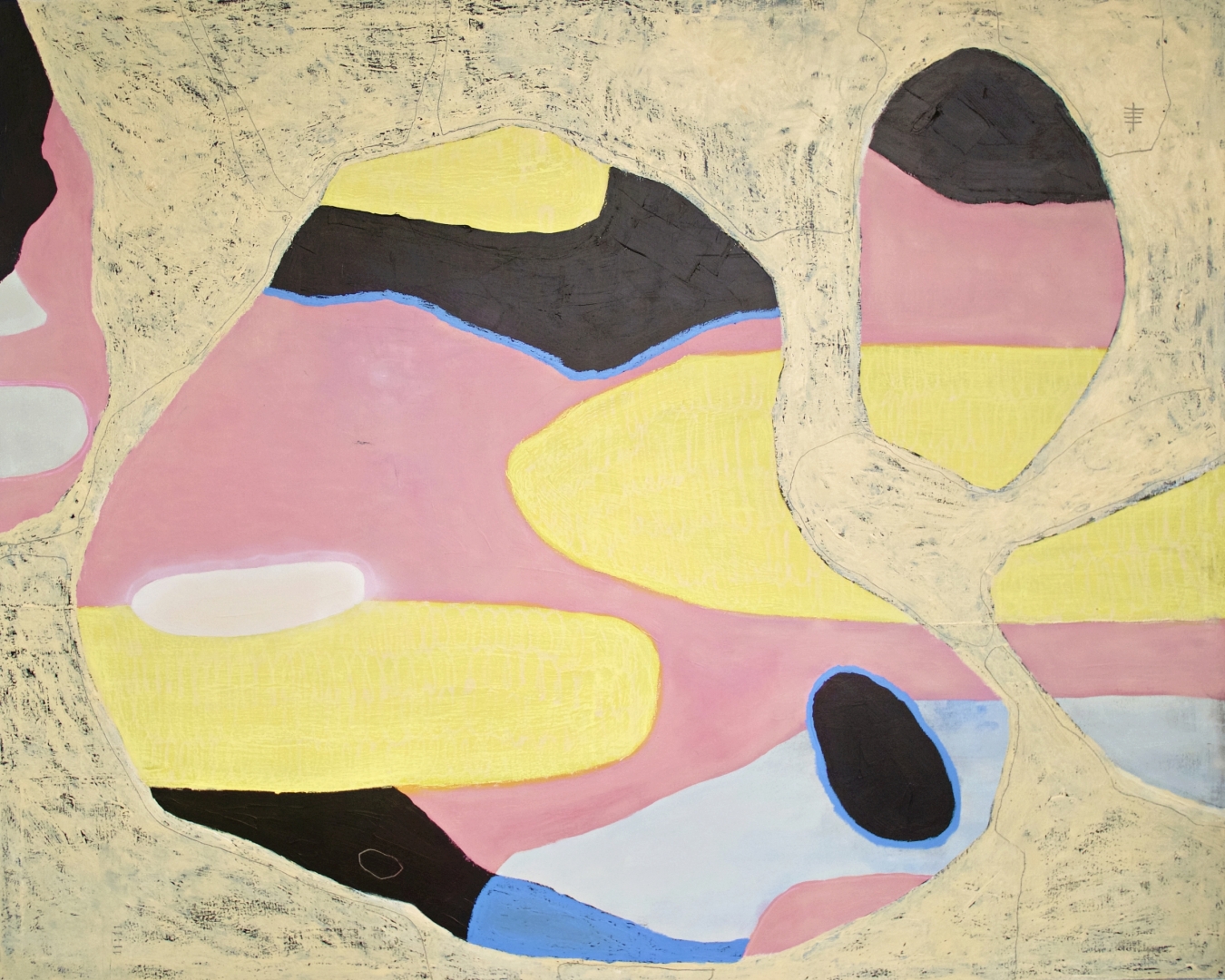
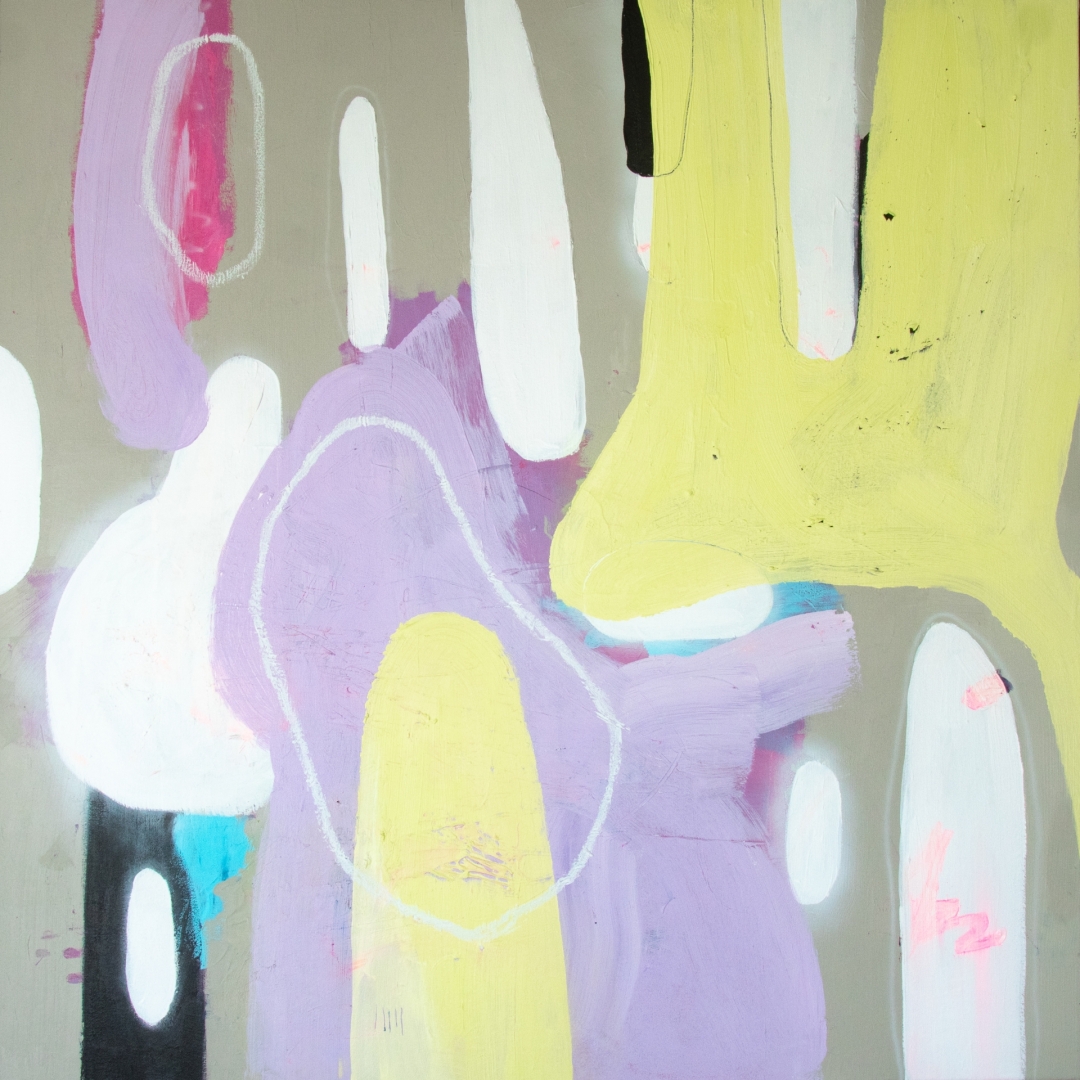
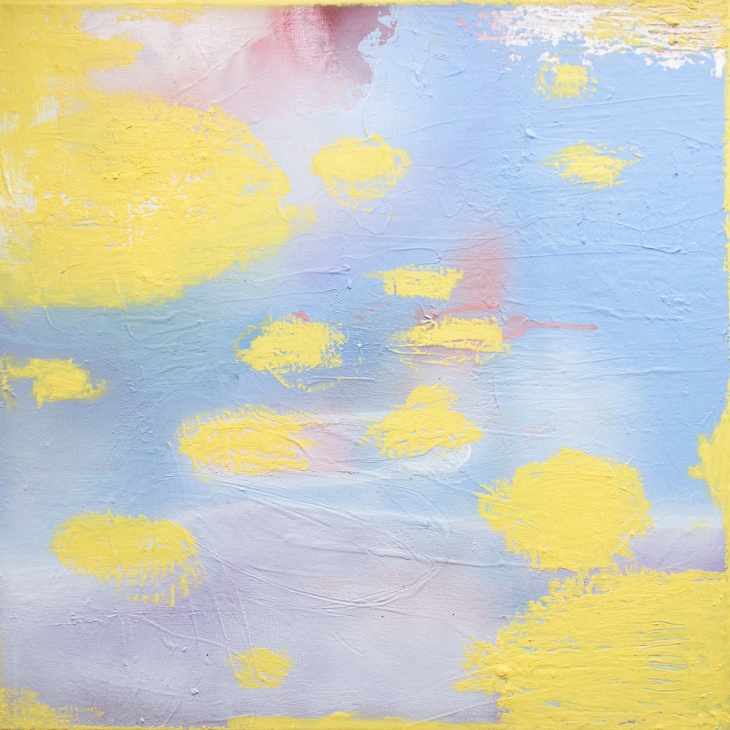
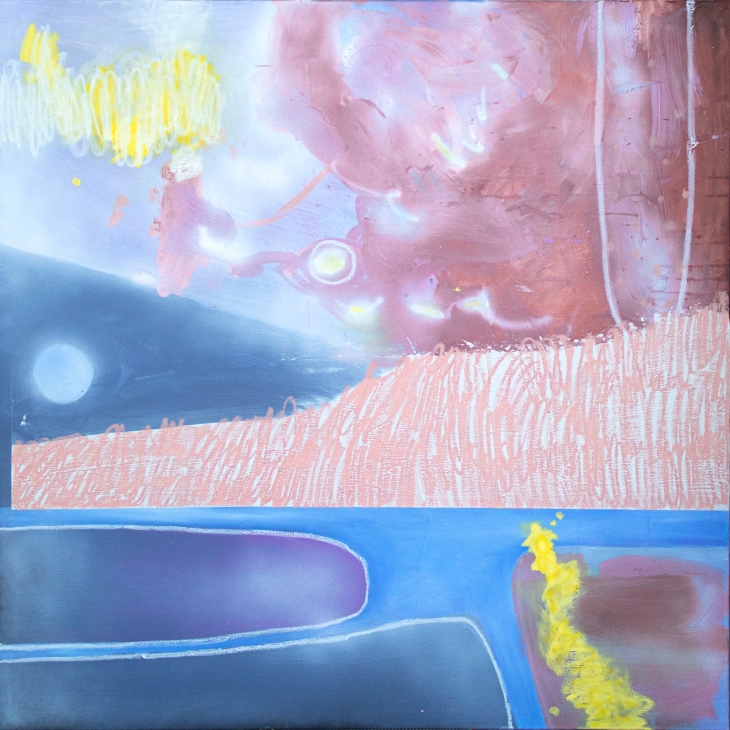
Lake Sevan was created during a period of personal transition for the artist. While her earlier works explored uncertainty, this painting emerged from a more grounded, though still evolving, state of being. At its core lies the idea of an anchor — an image, place, or memory one can return to in order to restore inner balance.
For this work, the anchor became a childhood memory from her grandfather’s studio. It was there that she first experienced a state of creative flow — deep immersion where time dissolves and the act of making becomes its own reward. Her grandfather, the Armenian painter Avak, devoted much of his life to repeatedly painting the same motif: Lake Sevan. He returned to it countless times, shifting perspective, light, and emotional tone. This repetition appears as a form of attachment — a way of restoring stability and inner order through return.
Later, historical circumstances forced her grandfather to leave Armenia and move to Estonia. The continuity between generations — the transmission of strength, knowledge, and experience — forms a central layer of meaning in this work. Lake Sevan is the artist’s personal interpretation of a place she has never physically visited, yet knows intimately through her grandfather’s paintings and the tools she inherited from him.
The painting functions as both a gesture of gratitude and an inner compass — an attempt to carry forward warmth and connection that transcend geography and time. Having completed the work, the artist feels ready to move forward into new compositions and renewed uncertainty, while carrying her anchor within.