Additional photos


Draiskana, 2026
single-channel video (12 min); installation
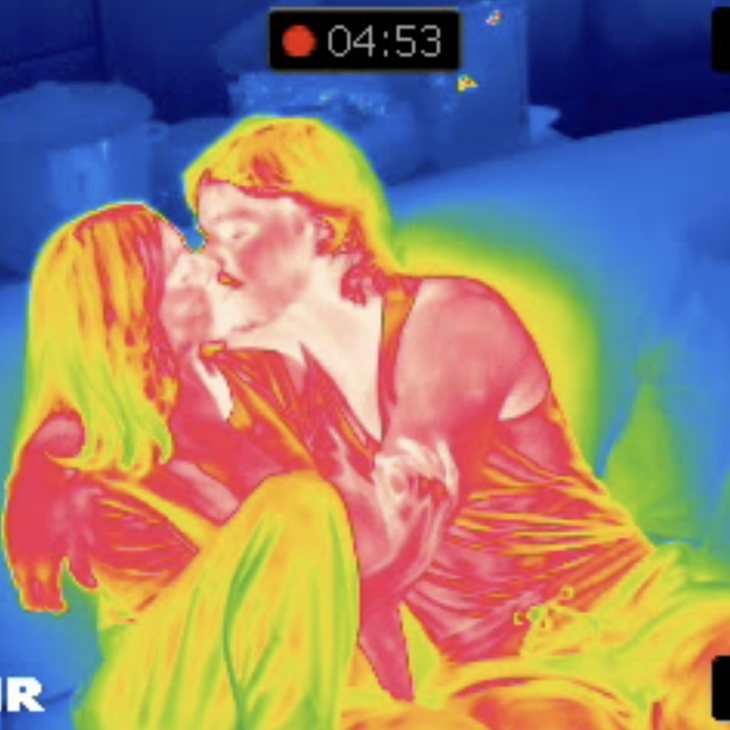
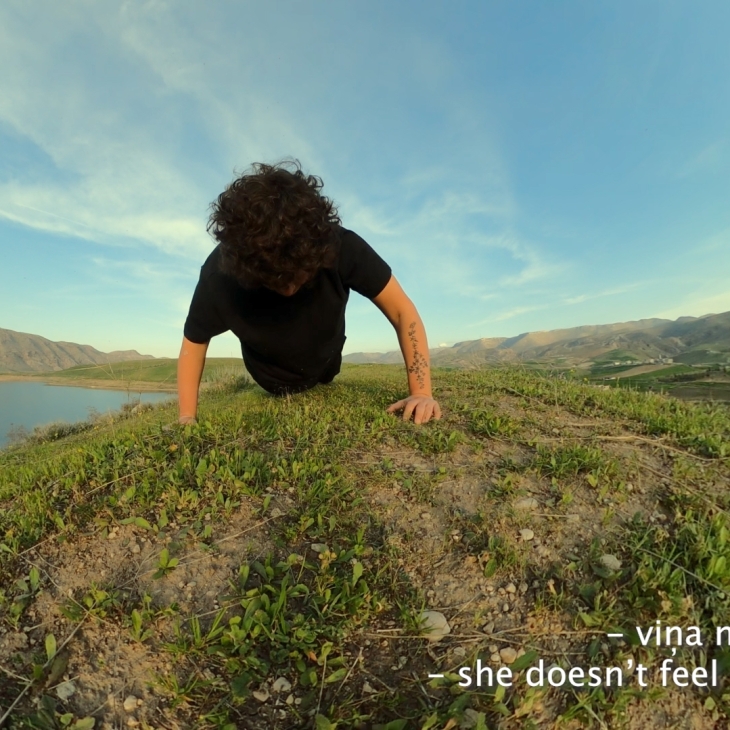
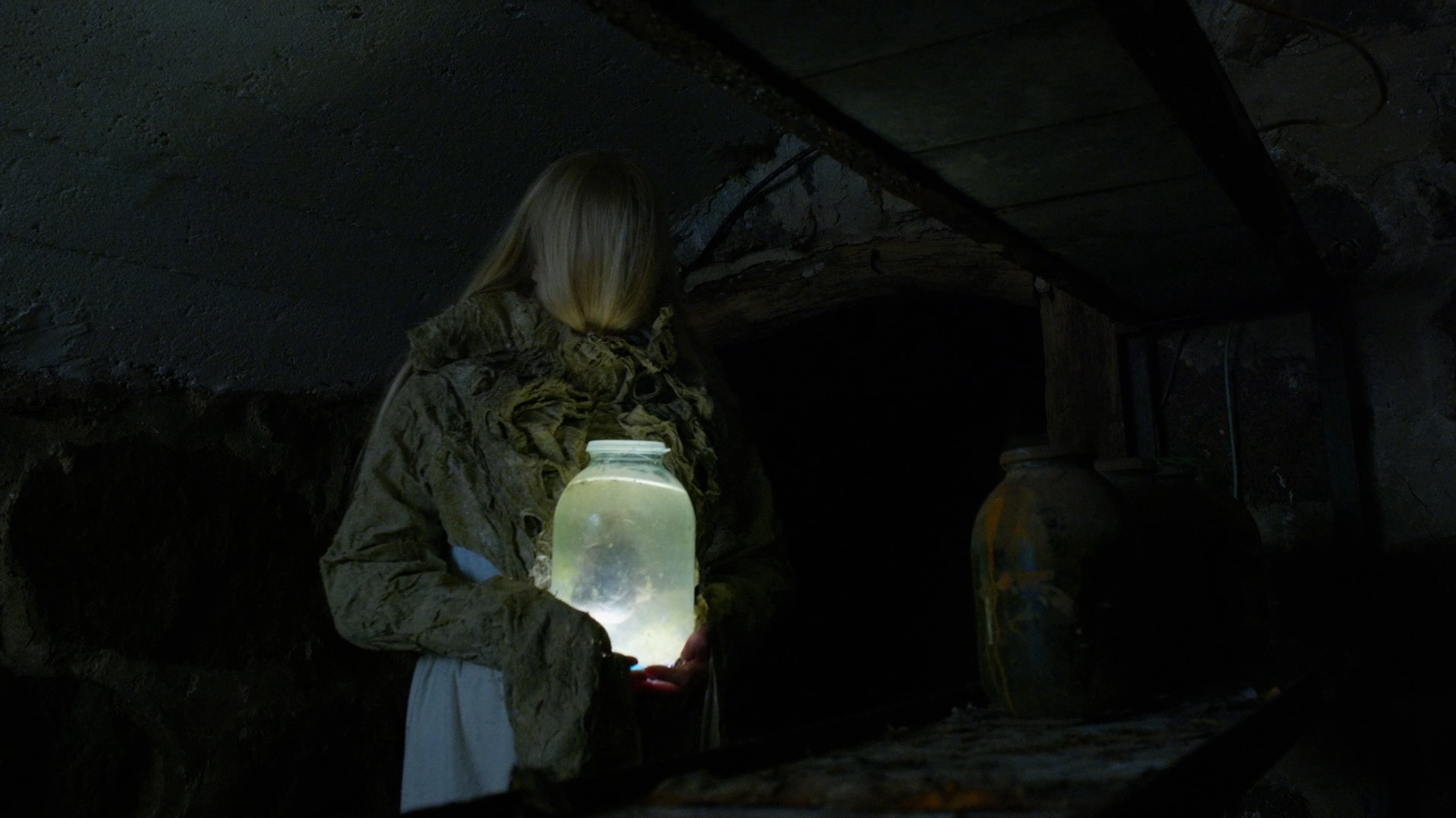
I walk the paths of Žalėsa village in Dzūkija, Lithuania, among the agricultural tools, household remnants and discarded materials left behind by my grandparents. Today, no one lives in the homestead in Žalėsa, and at first glance the environment appears lifeless. Everything is covered in dust, and within it forgotten treasures are hidden: in the kitchen, among a smoke-blackened bowl, Soviet-era glasses and an old shaving brush, 2000s drinking glasses with naked female figures suddenly appear. Entering the barn feels each time like entering a parallel universe. There are furniture skeletons, bags of clothes eaten by rats, and in the barn, among all the household clutter, my grandfather’s collection of old agricultural tools. Time in this place does not move in a usual linear way, but seems to accumulate, compressed between bags of fur, tableware packed in suitcases, gloves with prices in roubles, and all kinds of collected objects. I am interested in this strange coexistence of different times, where objects that have lost their function still carry traces of the people and lives that surrounded them. I activate the space of the Žalėsa homestead through the 12-minute video work “Draiskana.” The homestead becomes a space where different states of being connect through action and experience. The work is a dreamlike journey in which I, as the inhabitant Draiskana, enter and inhabit this strange, abandoned “hyper-ethno” rural world. What at first appears dead slowly begins to reveal itself as living matter. In the video, elements of Lithuanian folklore and rural life come together: sutartinės (traditional polyphonic songs), proverbs, beaver castor, jars of fermented pickles and objects from the homestead. The main character gradually begins to identify with an animal, as if, enclosed within her own world, she becomes increasingly merged with her surroundings. I do not want to create an idyllic image of the countryside here. Dirt, mould and a cold sense of sterility exist alongside each other, without resolving into one image. At night, led by curiosity, Draiskana enters a sterile void. This space appears frightening and lifeless, but at the same time seductive, carrying promises of something new. It is represented through cold LED light, mechanical, synthetic and industrial images, which become a contrast to the dirt, rust and mould of the rural environment. The mirror appearing in the film becomes a source of truth, bringing Draiskana back from unsafe illusions about the future. It is also a moment of confrontation with herself and with the environment she comes from. The film acts as a living archive of my grandparents’ village, which I embody through the character of Draiskana. Rather than simply documenting a disappearing place, I use my body and imagination to enter it and to explore what remains in us from the environments, objects and ways of living that we inherit. The work was presented at the Vilnius Academy of Arts graduation exhibition, held in a garage in Vilnius Old Town that once belonged to my grandparents. The space became part of the work itself, where traces of memory, decay and inherited landscapes circulated between the film, the architecture and my own personal history.
You may also like these